Tourist destination
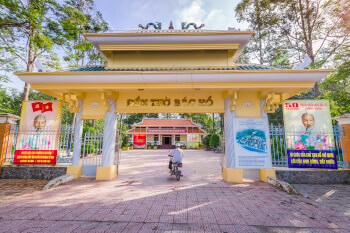
Uncle Ho's temple
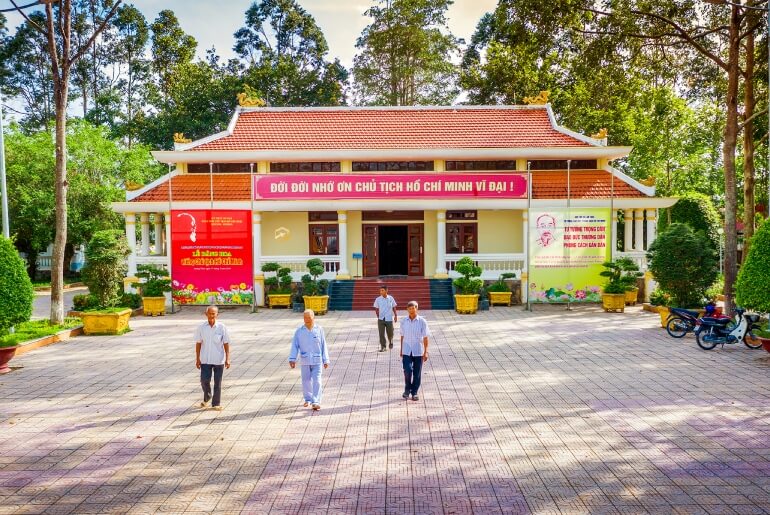
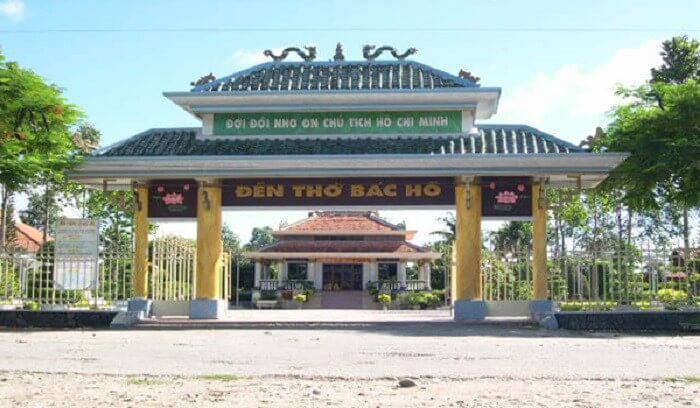
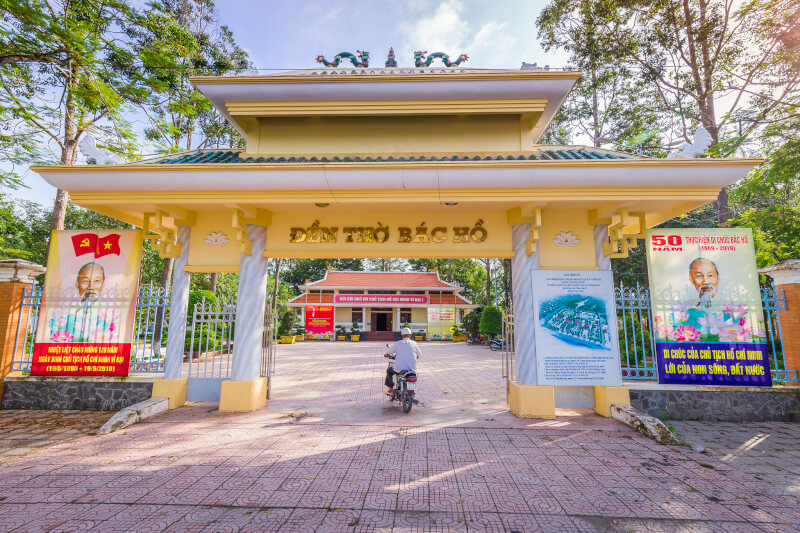
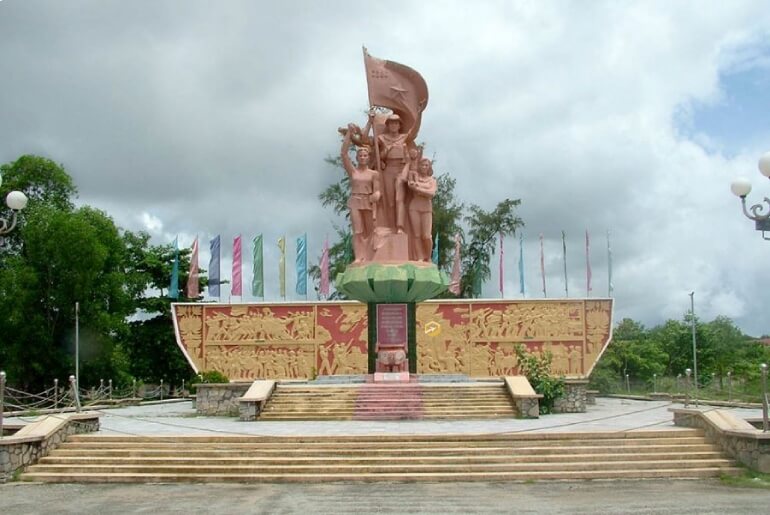
The Uncle Ho Temple relic is located in hamlet 3, Luong Tam commune, established by people in the area in 1969 when President Ho Chi Minh passed away. 21 kilometers from Long My town, 40 kilometers from Vi Thanh city and 78 kilometers southwest of Can Tho city. Uncle Ho's temple area was built on a land area of nearly 2 hectares, with 3 items of very solemn and respectful architectural work completed, including: Memorial house, exhibition house introducing Uncle Ho's childhood and active life, and Association house. The memorial work of Uncle Ho's Temple was ranked as a national relic by the Ministry of Culture and Information, now the Ministry of Culture, Sports and Tourism, on January 7, 2000. Every year, on major holidays such as: May 19; September 2,... The Party Committee, government, unions and people of Hau Giang province held a very solemn flower and incense offering ceremony to commemorate Uncle Ho. From 1990 to 2010, an average of 35,000 to 40,000 people visited and commemorated his merits each year. On the occasion of festivals, many forms of cultural, sports and entertainment activities are organized for local people and neighboring communes of the province. This became a memorial to Uncle Ho; At the same time, it is the cultural and sports center of the people in the region. Uncle Ho's Temple is a special memorial project, born as a symbol of the whole society's gratitude to the revered father of the nation. This place is not only a place of worship, but also an important historical memory of Hau Giang province in general or Long My district in particular. If you have the opportunity to visit Long My, don't miss the chance to explore this place.
Can Tho
From January to December, especially May and September
599 view
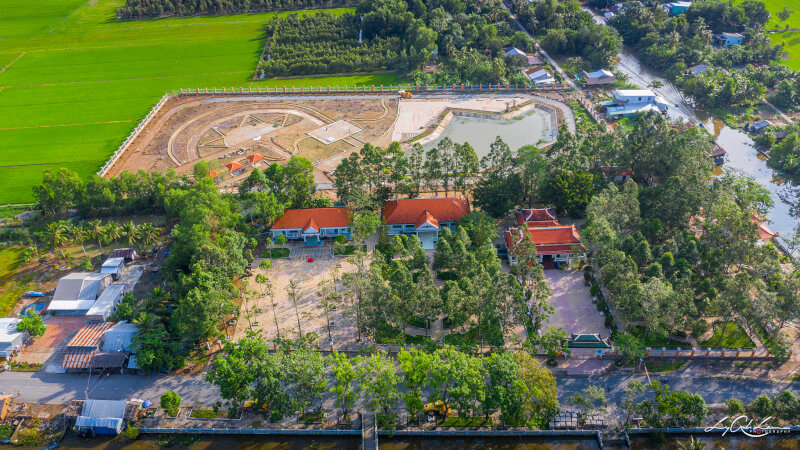
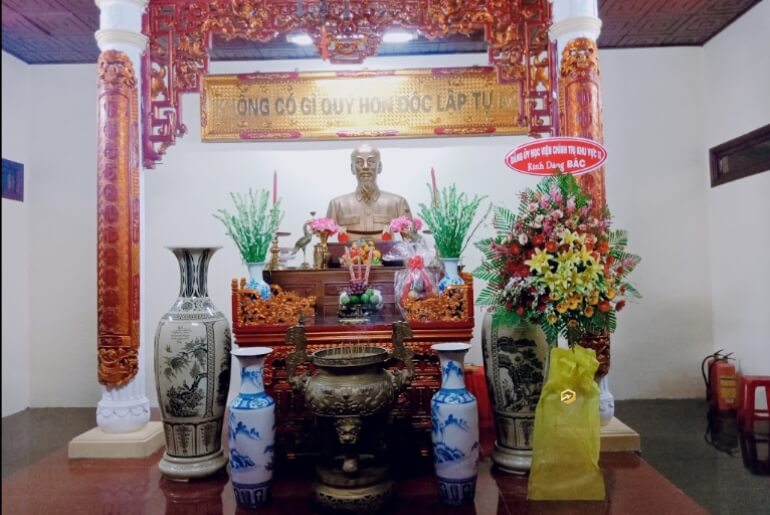
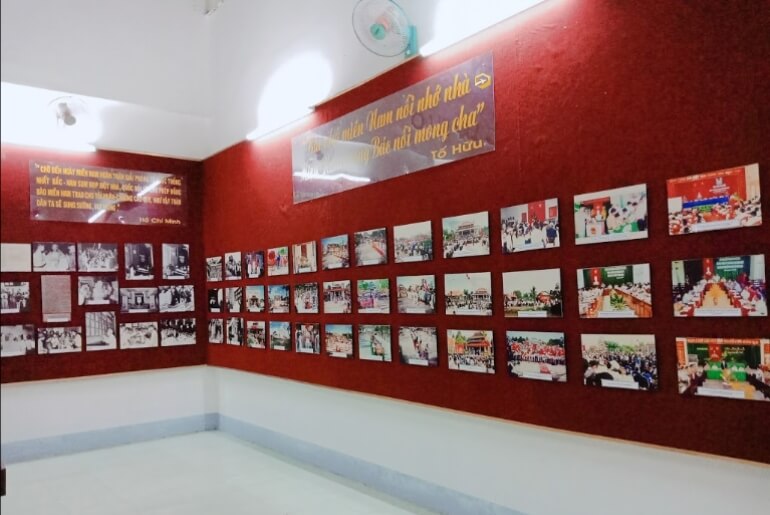
Can Tho Provincial Party Committee Base Relic Area
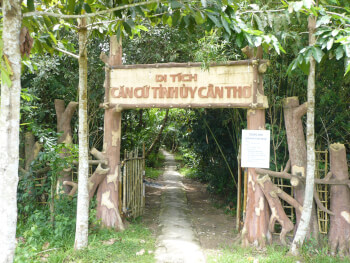
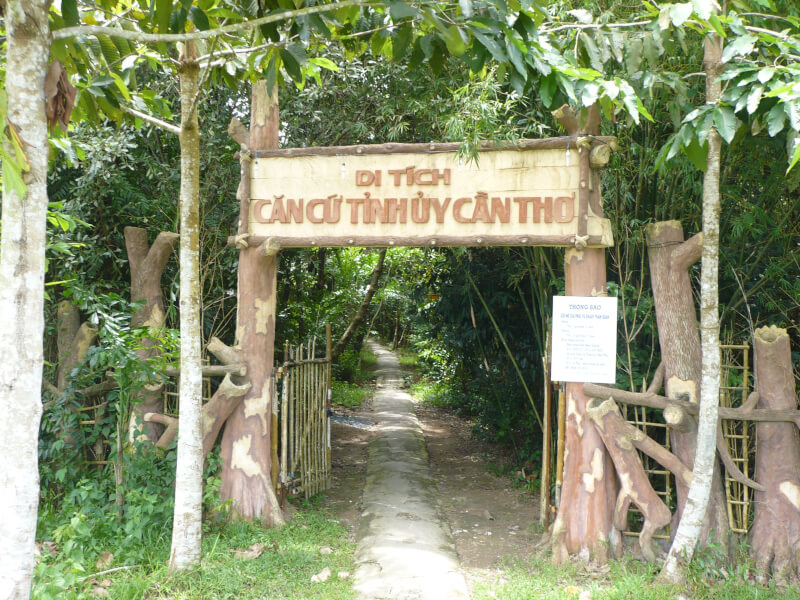
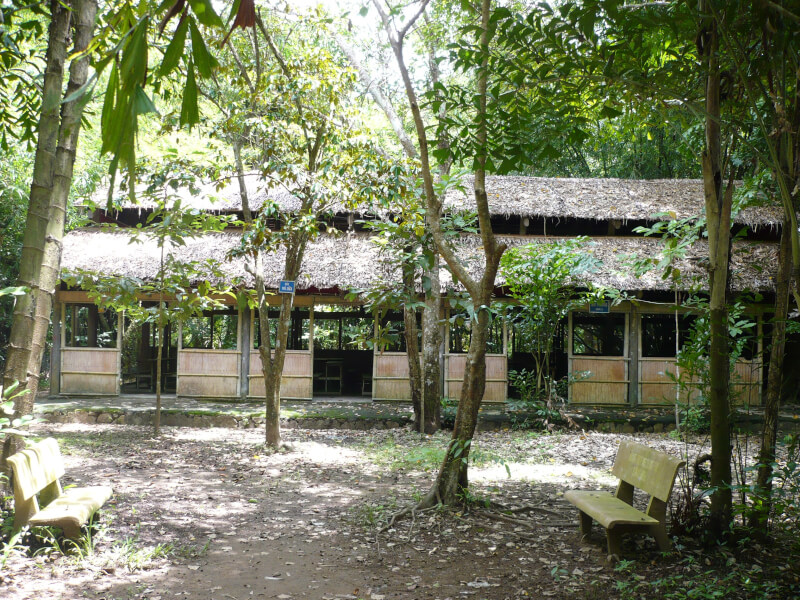
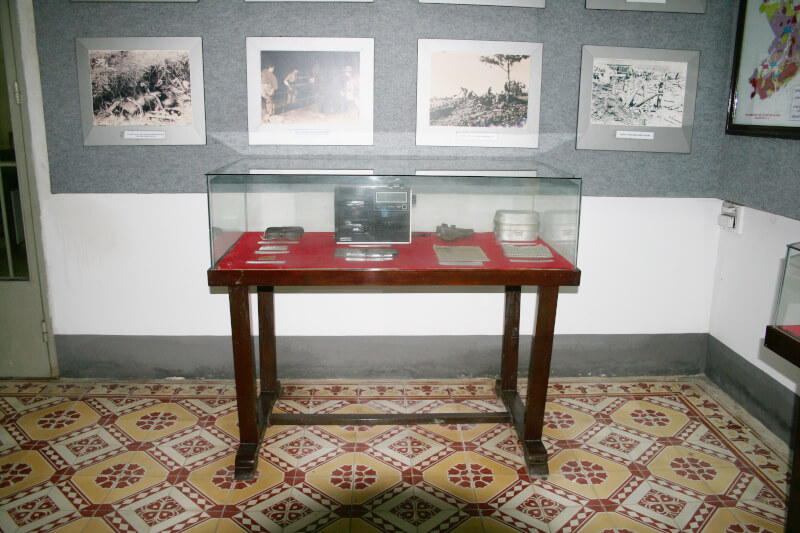
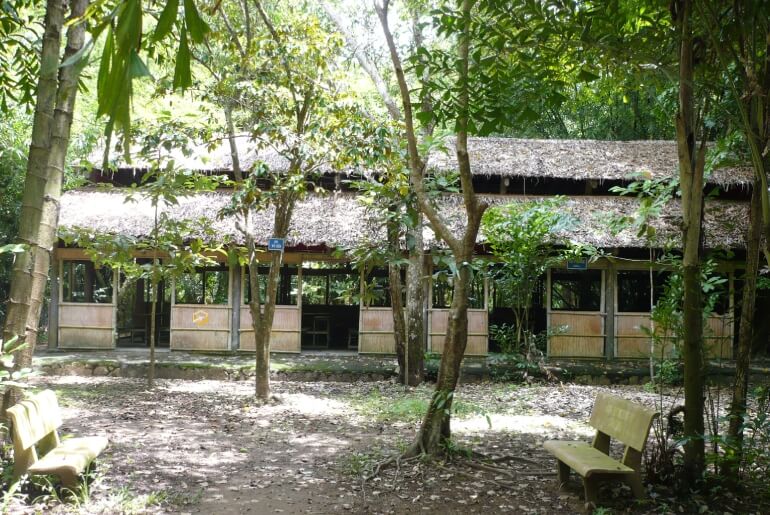
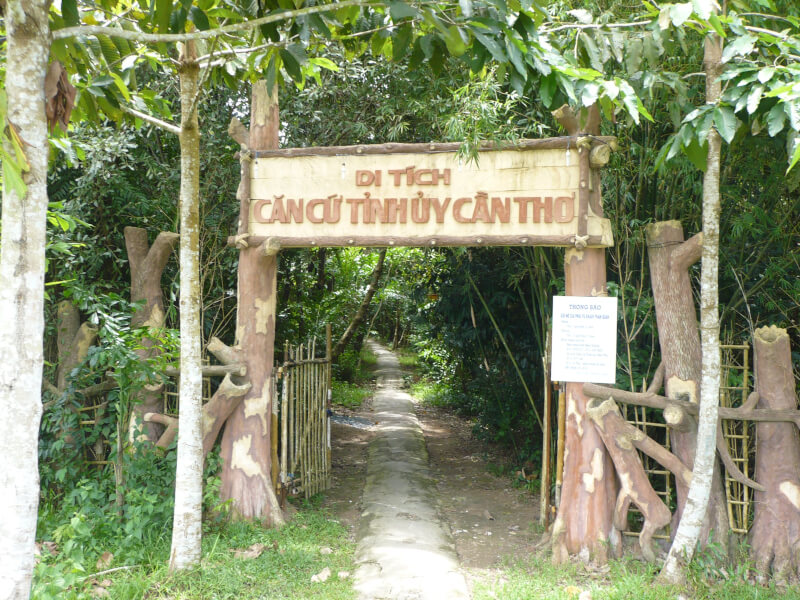
The Can Tho Provincial Party Committee Base relic in Phuong Binh commune, Can Tho city, was built on a land area of about 6 hectares and surrounded by trenches: Lai Hieu canal, Ca Cuong canal, Rach Cu canal, Ba Bai canal. Can Tho Provincial Party Committee Base was started construction in early February 1972, at the house of Ba Bai - a former landowner, so people used to call it "Ba Bai Base". From this base, the Can Tho Provincial Party Committee led and directed the army and people to attack the enemy with three frontal attacks, remove enemy posts, mobilize the masses to destroy "strategic hamlets", gain control and expand the liberated area, creating new strength for the province. On April 27, 1990, the Ministry of Culture and Information issued a Decision recognizing the Can Tho Provincial Party Committee base as a National Historical-Cultural Monument. Today, this relic has been beautifully renovated, this is the pride of the Party, government and people of Can Tho, and is a historical, cultural and educational tourist destination for patriotic traditions and love for people for young generations today and tomorrow. The Can Tho Provincial Party Committee base relic area was carefully restored and embellished, authentically recreating the working space of the Provincial Party Committee during the years of resistance. With items such as souvenir houses, bunkers, and artifact display areas, the relic gives visitors a vivid view of revolutionary life and activities. The space here is not only a place to visit but also a living museum, preserving the heroic memories of the nation. Memorial House: The Memorial House was built in 1995 on the occasion of the 20th anniversary of the liberation of the South, and is a place to display documents, photos, and artifacts related to the activities of the Can Tho Provincial Party Committee. This space is designed simply but solemnly, helping visitors feel the hardships and resilient spirit of revolutionary soldiers. Bunkers and trenches: The relic recreates a system of bunkers and trenches, built to protect the Provincial Party Committee from enemy raids. The bunkers are skillfully arranged, taking advantage of the natural terrain, providing a realistic view of the creativity and perseverance of the revolutionary forces. Artifact display area: The display area includes artifacts such as documents, weapons, and personal belongings of Provincial Party Committee comrades, helping visitors better understand life and work during wartime. Each artifact is carefully preserved and comes with detailed annotations to provide complete information. Ecological space: The relic site is surrounded by the typical river landscape of the West, with canals and trees creating a peaceful space. Visitors can combine visiting relics with ecotourism experiences, exploring the natural beauty of the Phung Hiep region. Visiting Ba Bai Base is a meaningful journey, helping visitors understand more deeply the heroic history of the nation. You will hear touching stories about the sacrifices and indomitable spirit of generations of ancestors. Every little corner, every artifact here contains a part of memory, a valuable lesson about patriotism and the will to fight for independence and freedom. Not only is it a historical relic, Ba Bai Base is also an ideal destination for those who love to explore natural beauty. This area possesses a typical flooded melaleuca forest ecosystem of the Southwest region. Visitors can take a boat through small canals, admire the green rows of cajuput trees, enjoy the fresh air and listen to the chirping of birds. The diverse ecosystem with many rare flora and fauna species is also a highlight of Ba Bai. If you are lucky, you can see water birds, fish or typical plants of the mangrove area. This is a great opportunity to take unique photos, capturing moments of immersion in nature. Coming to Can Tho, visitors cannot miss the opportunity to enjoy Western specialties. After visiting Ba Bai Base, you can visit local restaurants and eateries to taste fish sauce hotpot, grilled snakehead fish, pancakes, or dishes made from fresh river products. The rustic, authentic flavor of the cuisine here will definitely satisfy even the most demanding diners. The best time to explore Ba Bai Base and other destinations in Hau Giang is during the dry season, from December to April of the following year. At this time, the weather is dry, sunny, and convenient for moving and participating in outdoor activities. Avoid going during the rainy season (from May to November) because it can be difficult to travel by boat and the experience will not be complete. The Can Tho Provincial Party Committee base relic area is a meaningful historical destination, where heroic memories of the resistance war against the US are preserved. With carefully preserved spaces, meaningful educational activities, and distinctive river landscapes, the relic offers a unique experience for visitors.
Can Tho
From January to December.
634 view
Na Hang tourist area
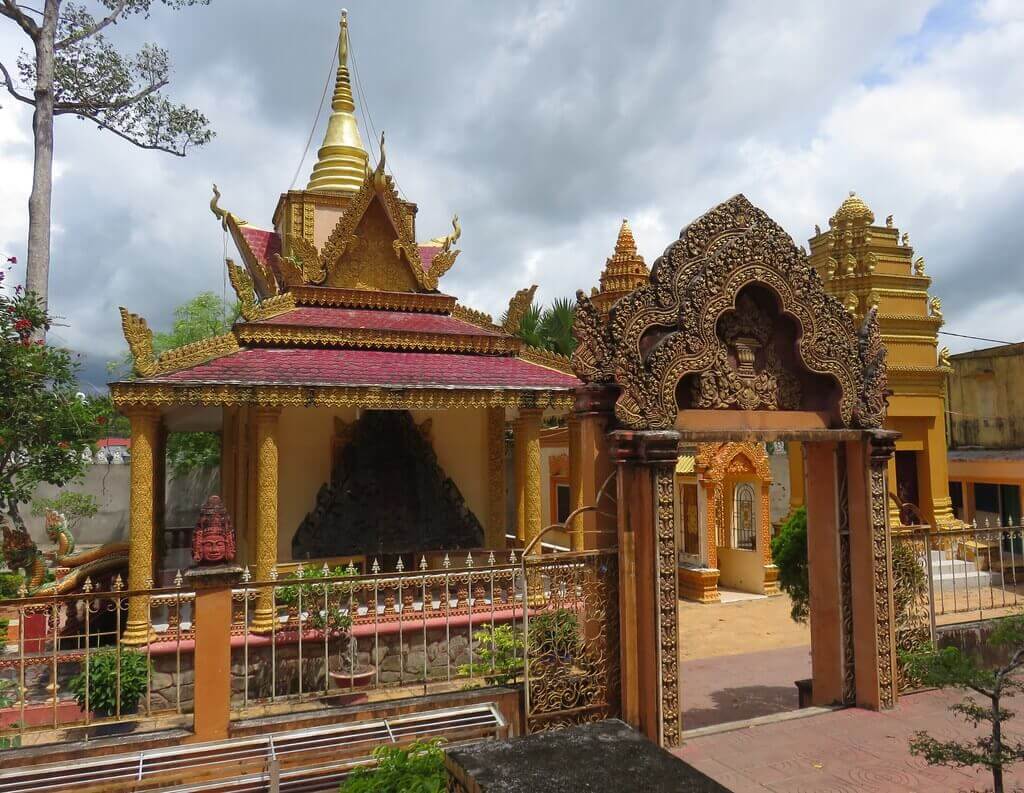
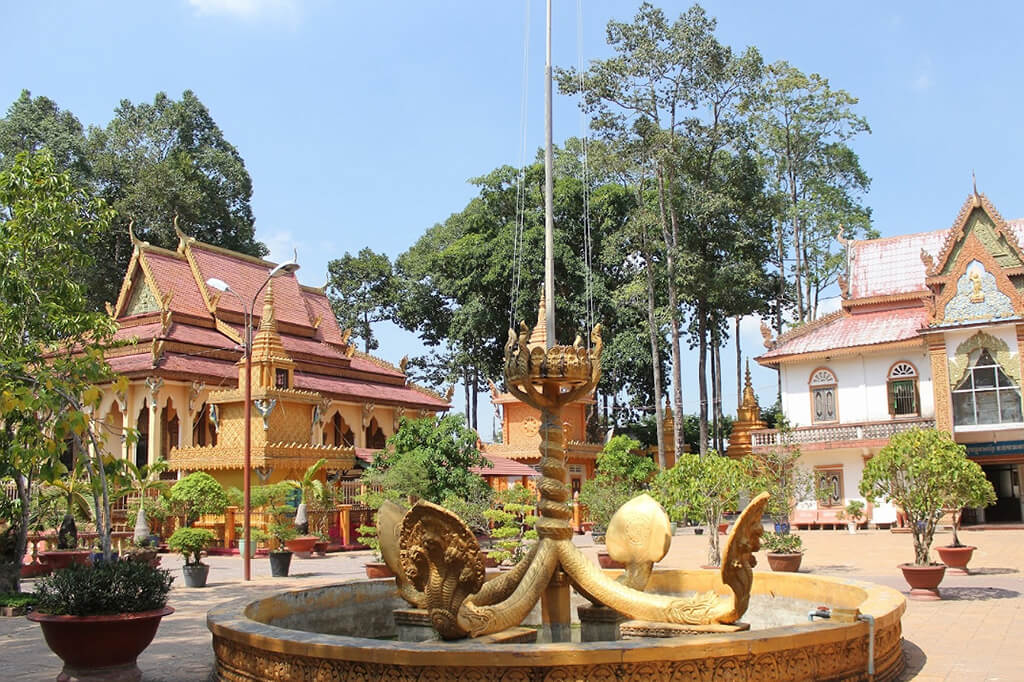
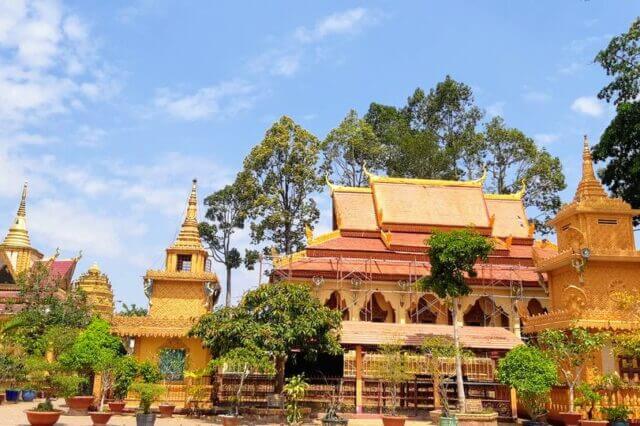
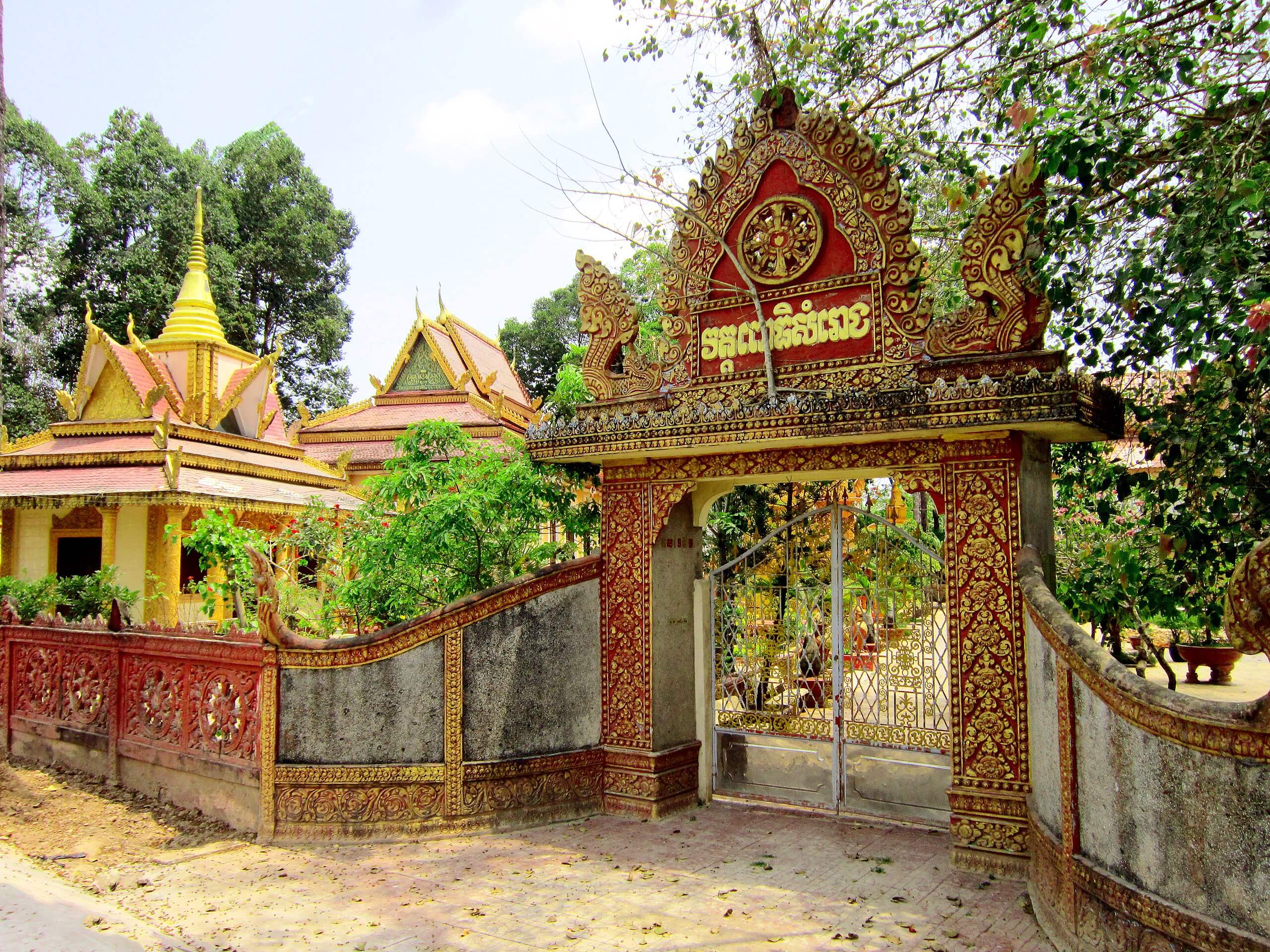
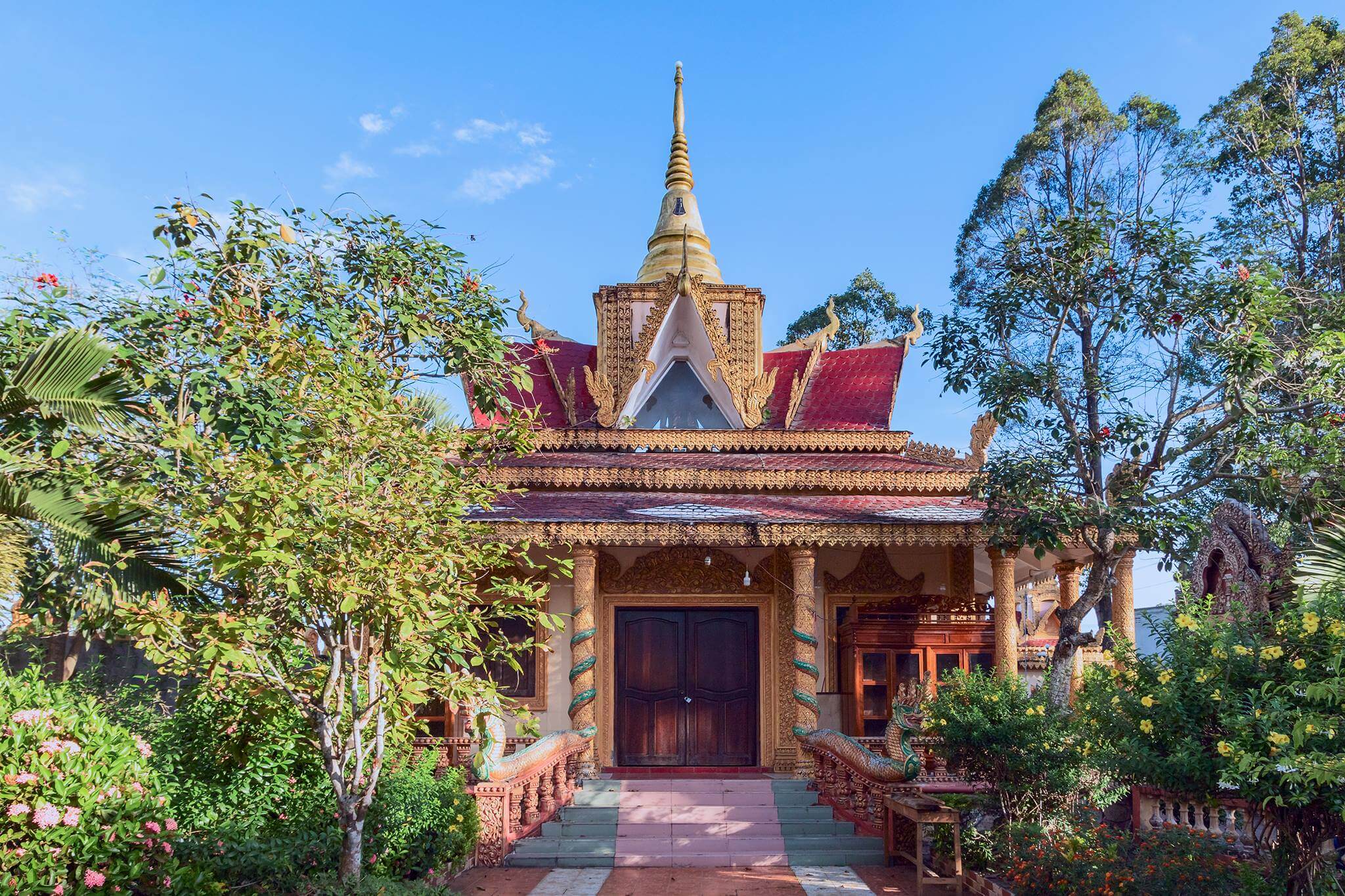
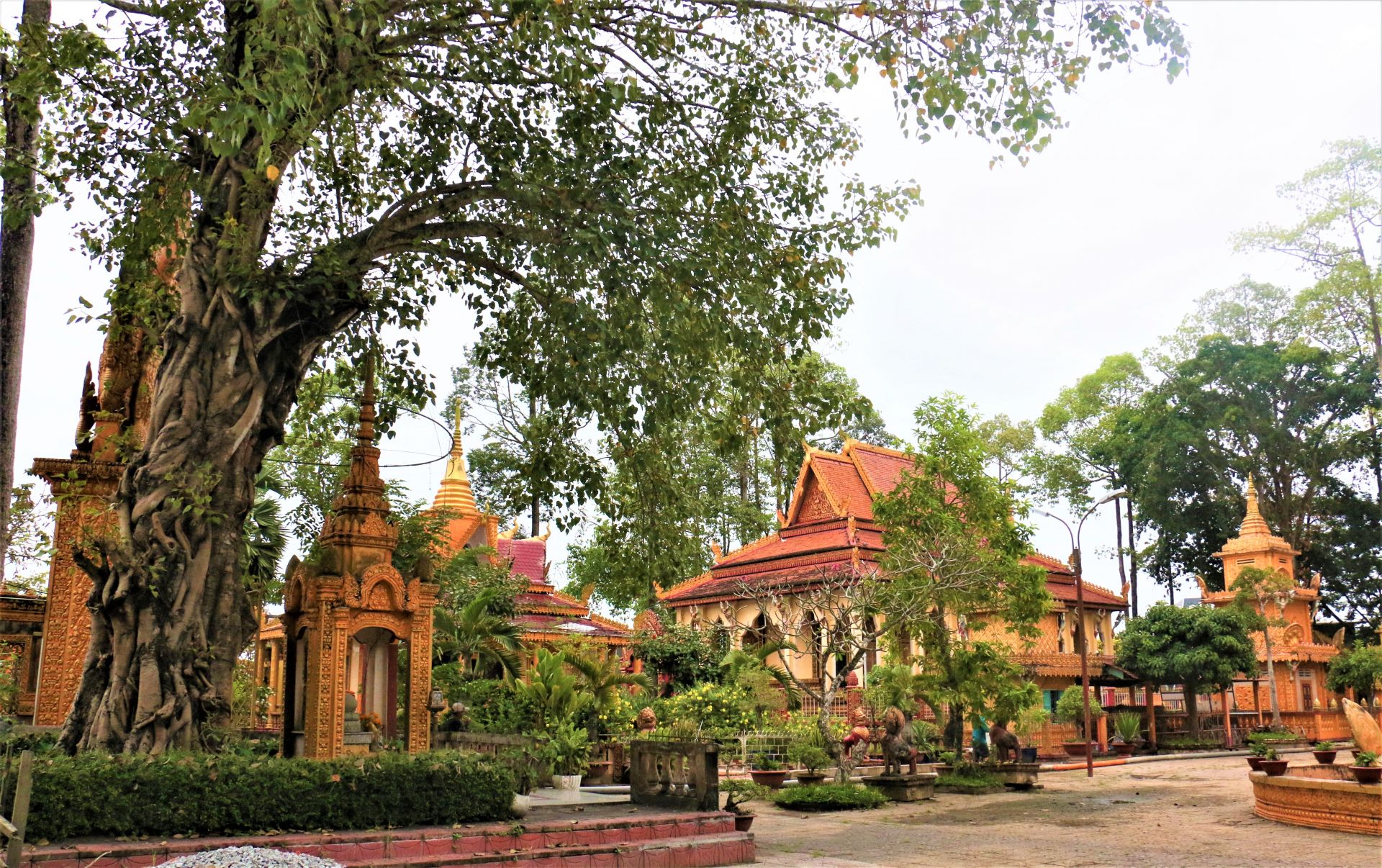
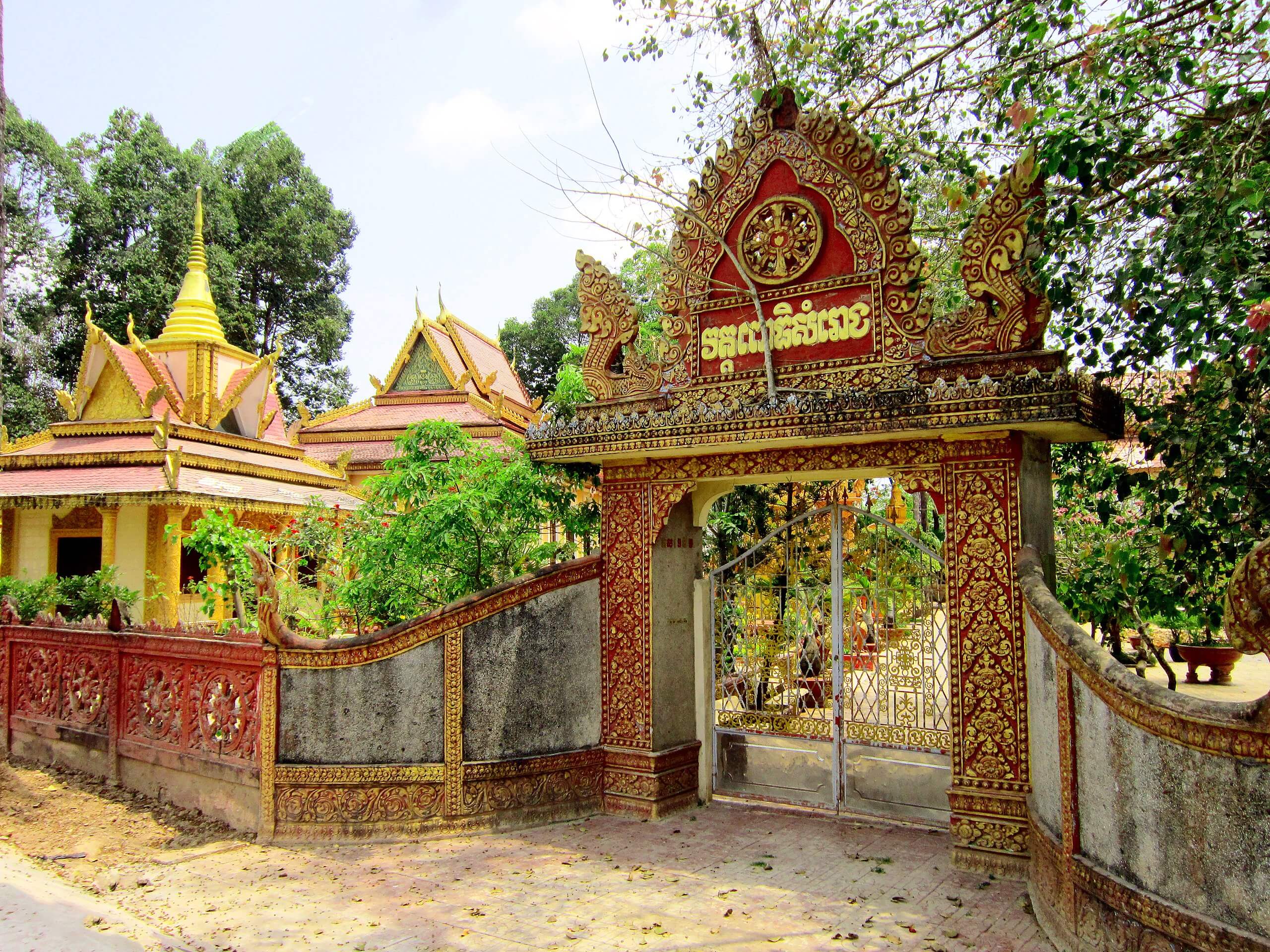
Pothi Somron Pagoda is an ancient Khmer pagoda located on O Mon River, Chau Van Liem Ward, O Mon District, Can Tho City. Experiencing many ups and downs, incidents, the pagoda has 20 abbot generations, of which the abbot has the name such as: Venerable Duong Pau, Duong One, Ly Cu, Ly Nhieu, Duong Chau, Ly Noi, Duong Xoai, Duong Chinh, Dao Soc, Thanh Sen, Thach Khoi and Venerable Dao Nhu. The pagoda has twice changed the location. The first time the pagoda was built in O Mon arch, then moved to Bo Rich, the next time to the temple canal. In the temple campus, there are many trees including a tree called Somron, so the pagoda is named Som Lon. In the beginning, in 1735, Pothi Somron pagoda was only built with simple materials such as leaves and bamboo. By 1856, the pagoda was built with precious woods such as cars, coffee, tuberculosis and roofed with fish scales. Nearly 100 years later, realizing that the pagoda was too degraded, Venerable Thach Khoi-abbot of the pagoda in the period of 1950-1988 to Phnom Penh invited a new design from the famous architects of Cambodia, on the basis of preserving traditional architecture. The new temple was started in June 1950, until 1952, it was completed. This architecture has been kept up to now. The temple has one side facing the gate of the Khmer Buddhist Academy, another gate is close to the light O Mon river with a cool water wharf. The main hall is a prominent building in the architectural complex of Pothi Somron pagoda, built in the east. The Khmer people think that the Buddha in the West of the West, but always towards the east to save sentient beings. The steps leading to the main hall have sophisticated Buddha statues. On the wall are the strokes that recreated the life of the Buddha presented very vividly. The statue of Kennâ's fairies and Krud birds were carved as flying as supporting tile roofs. The main roof has three levels overlapping, there is a dragon image running along the roof with the tail reaching straight to the sky. From columns, fences, door molds, roofs, walls are carved with meticulously shaped patterns and hyacinths. The Khmer pagoda has a core tower but perhaps rare pagodas to preserve the tower more than 200 years old like at Pothi Somron pagoda. The core tower is right in front of the main hall, built with an umbrella, laterite, and tiles dating from the 18th century. Inside this tower is the remains of many Buddhists and has been preserved for many generations. Inside the temple, visitors will admire many antiques. Those are wooden swallow wings made since 1856 carved images simulating stories about Shakyamuni Buddha, more than 100 Satra (books), 17 wooden statues nearly 200 years old. The statue of the Buddha in the main center was sculpted in 1885. Another special thing is that the "boat" behind the guest house, long eye -catching, beautiful and irresistible, an invaluable treasure in Pothon Somron space. Traveling to Can Tho visits the temple, visitors like Lac enter a small forest with the rows of old trees shady. The beauty of the temple has been exalted thanks to the Sala tree - also known as the Uuu tree, which is said to be brought from India - planted in a corner of the temple yard since 1969, always blooming elegant flowers and fragrant fragrance. Pose Somron Pagoda is a community -rich architectural work. The main hall, Sala and the core towers were built with a moderate area, the rest of the land for Buddhists and compatriots came to participate in worshiping ceremonies, festivals, watching arts, playing sports ... Today, Pothi Somron Pagoda is the place where many social cultural activities are sourced by the Vietnam Fatherland Front Committee of Can Tho City, Can Tho Buddhist Association and the Department of Culture and Tourism. From the campaign of building a house for the Khmer ethnic people, bringing scientific and technical books to remote areas, set up a boat team, to help collect precious artifacts that reflect the labor and production life of the Khmer ethnic people, support the implementation of the "Umbrella Conservation Project", teach the five-sound piano for children ... In recent years, the pagoda is the main point of the festival " "Putting the flat nuggets" is held in November every year with many exciting cultural and sports activities, most importantly, recreating the traditional moon worshiping ceremony with the rituals of the national prayers, releasing the wind lights to thank heaven and earth for the rain and wind. Coming to Pothi Somron pagoda, visitors will immerse themselves in the quiet, solemn atmosphere of the ancient architecture, between the cool, fresh campus. Feeling the life of the temple really close to life through the sounds of the five -sound music practice daily, the busyness of the people's work of the Venerable, Venerable is really an interesting experience.
Can Tho
From November to April
3138 view
Na Hang tourist area
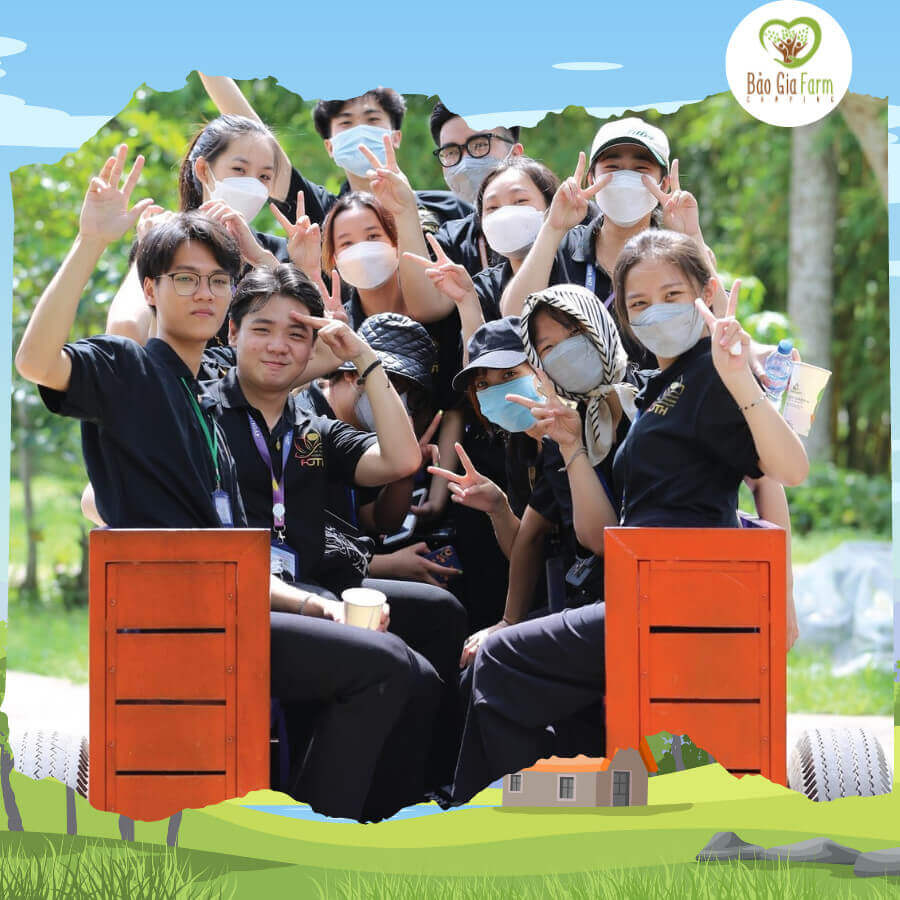
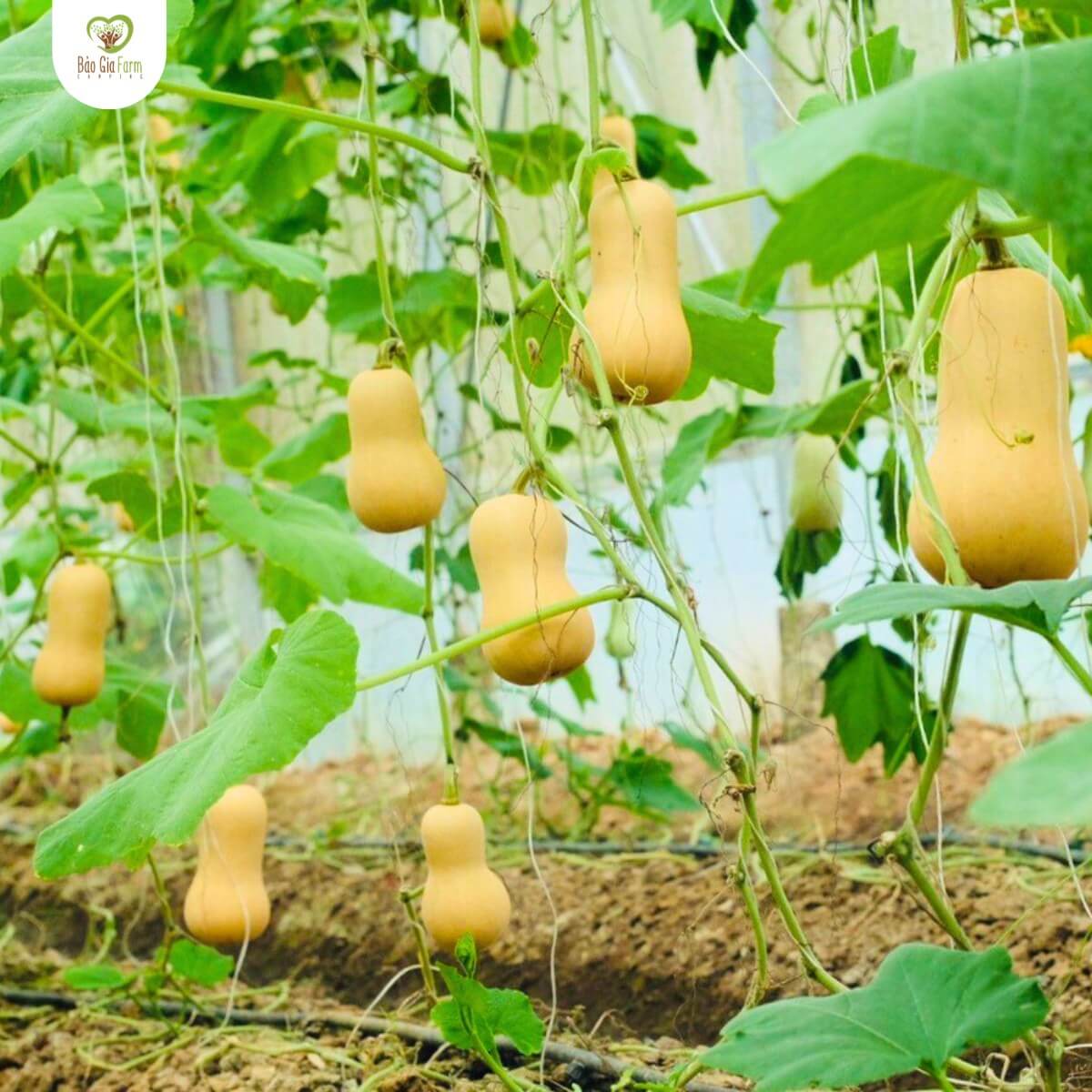
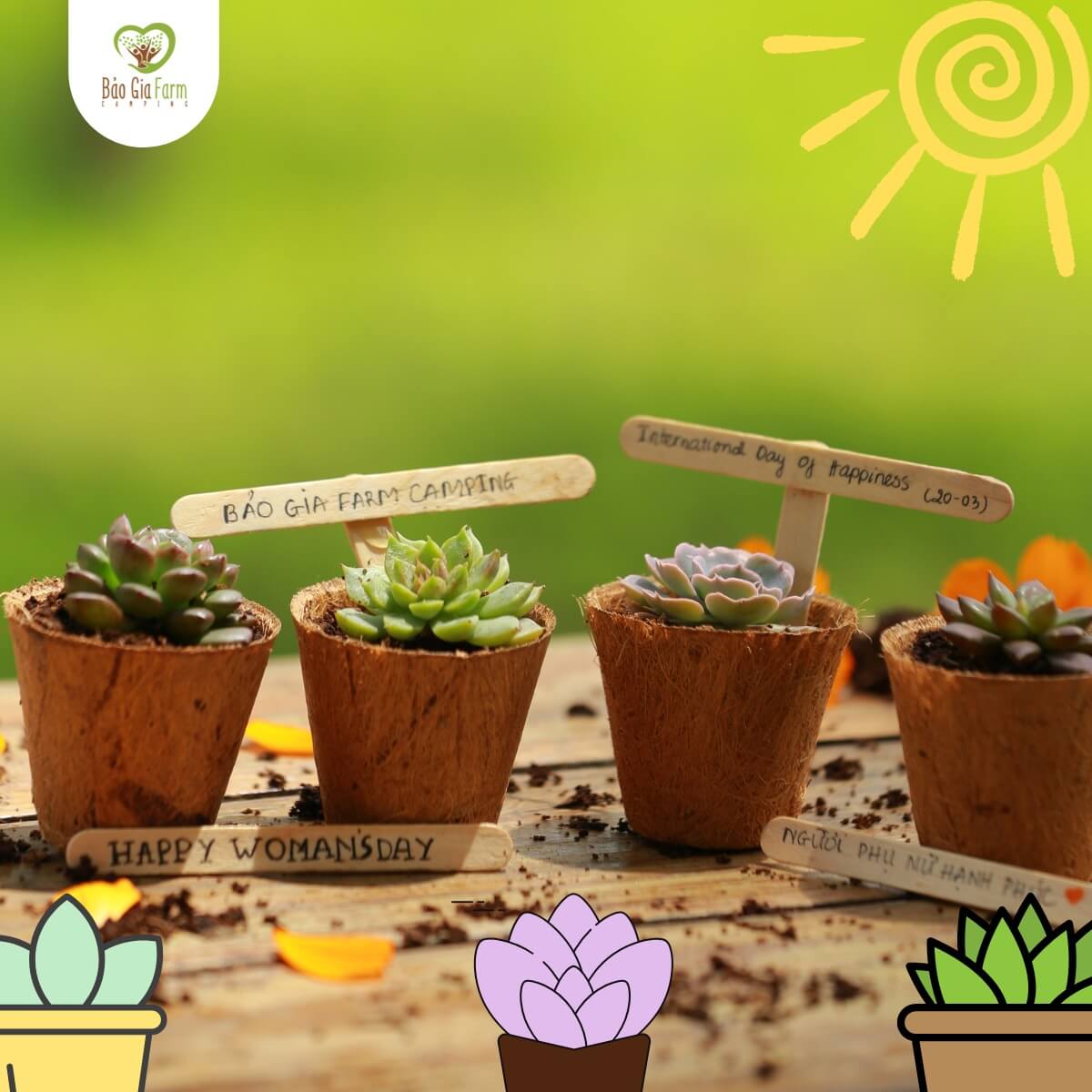
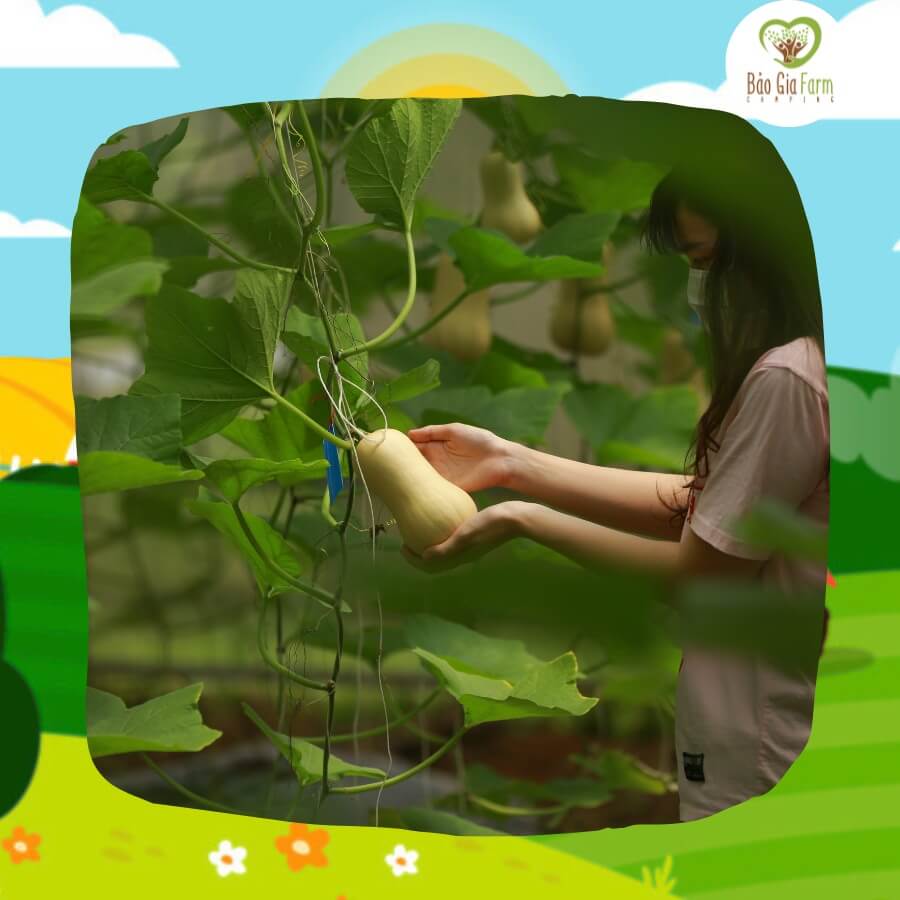
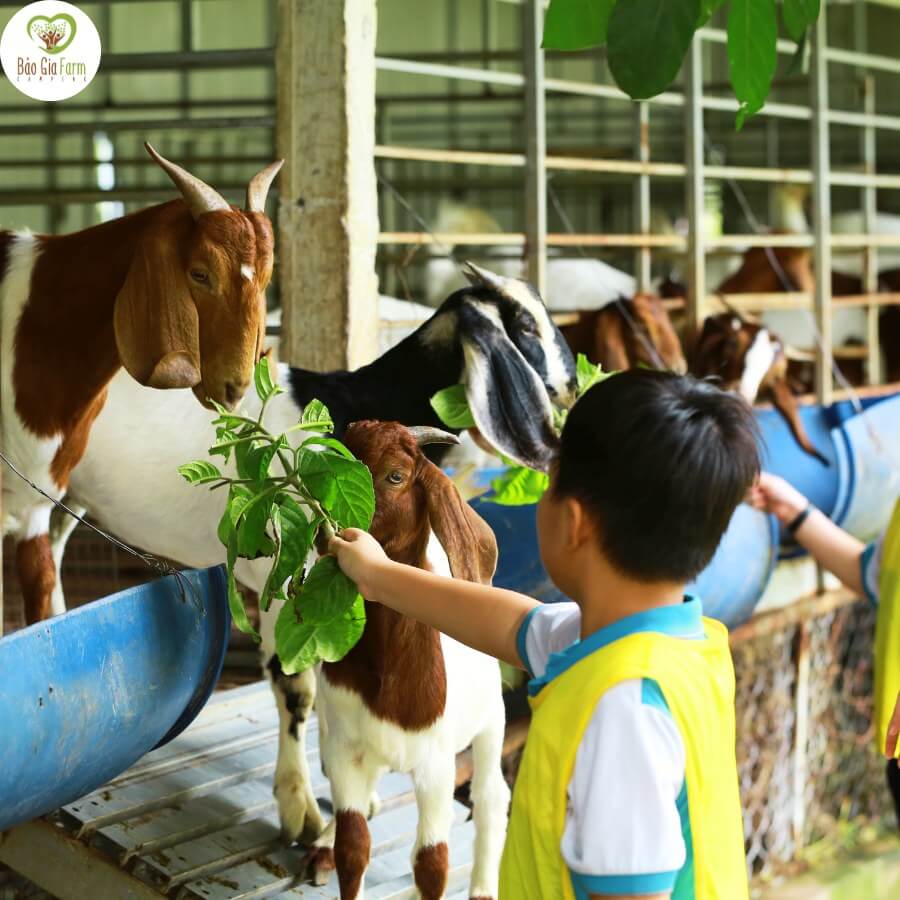
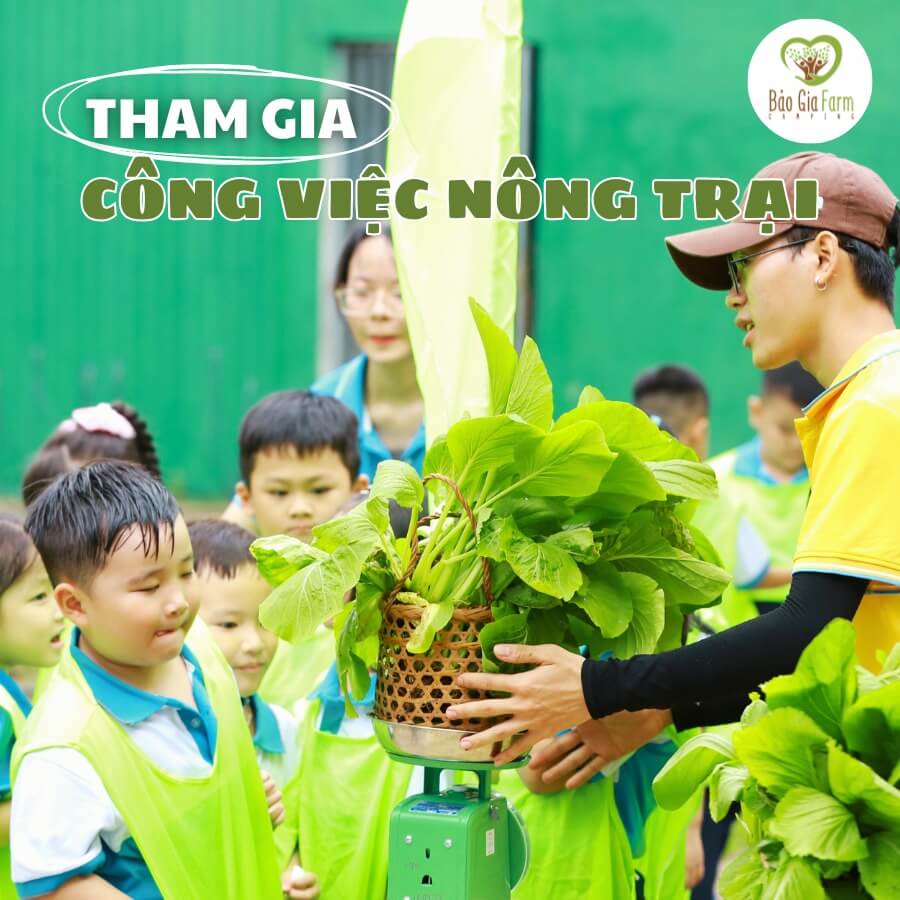
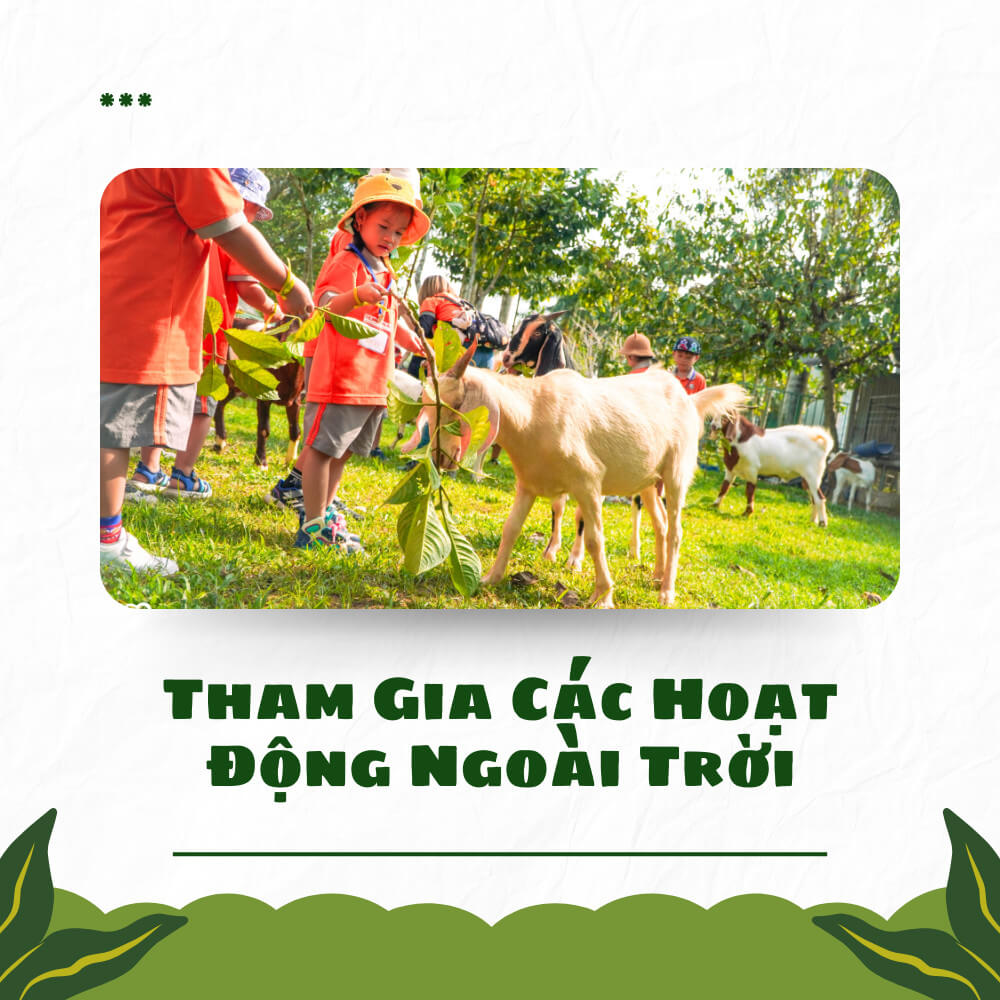
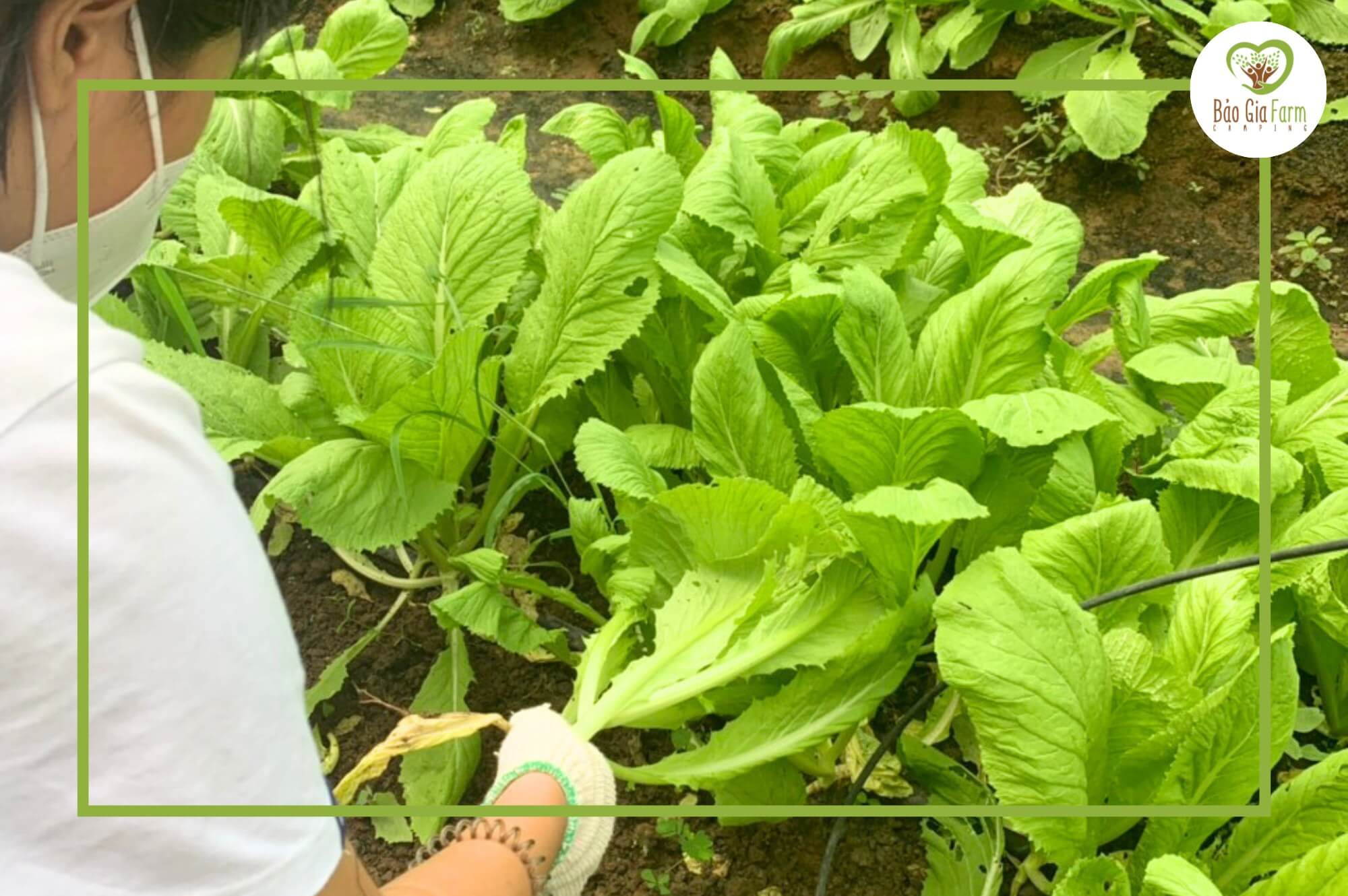
Bao Gia Farm Camping is a tourist destination in Hau Giang that tourists, especially parents and children, are extremely popular this summer because when they come here, the whole family can experience the fresh country life and bloom for farming, planting gardens. Camping Bao Gia is currently located in Dong Thanh commune, Chau Thanh district. This is a farm type of Hai Au Development Joint Stock Company (also known as Seagull ADC). This place has a combination of eco -tourism with high educational experience and camping - a very hot model recently. This is also the premise for the introduction of the model "Agricultural tourism". When traveling to Hau Giang and visiting Bao Gia Farm, visitors will first sit on a motorbike, initially feel the work of farmers and the working process in agriculture. This is also the beginning of the extremely attractive discovery journey. This is a high -tech organic farm experience. Opening is stage 1: Visit the pumpkin garden. Shortly after going through the harvest area of the pumpkin, Bong Bong and the young pumpkins. Visitors and families are checked in Hoang Kim melon garden. This is when cultivation is planted entirely by organic method. In addition to Hoang Kim melon also has hydroponic vegetable garden, high -tech nursery, ... Stage 2: The area that many children - The most favorite tourists is the rabbit, goat and chicken farm. Especially more than here the Western tourist destination also has a "apartment" reserved for colorful pigeons. Children are spoiled for exploring the breeding area and then visit the care process and even, let them eat themselves under the guidance of the farm staff. Stage 3: Studying craftsmanship: Visitors and companions are allowed to participate in many useful activities with great books such as the package of vegetables to bring to relatives, participate in the weaving course, knit from the guidance and enthusiastic teaching of the artisans of the traditional trade village, ... all to evoke gratitude and cherish the cultural values of his father from ancient times. Besides, on special days on a fixed schedule, Bao Gia Farm Camping also organizes a miniature agricultural market. The fair will sell products that have just been harvested right in the garden. Coming here, visitors can freely choose to buy products that are fresh and safe for family, relatives, friends. The strength of this location is to provide eco -tourism - community - educational experience for all ages including young children accompanying tourists.
Can Tho
From November to April
3000 view

Na Hang tourist area
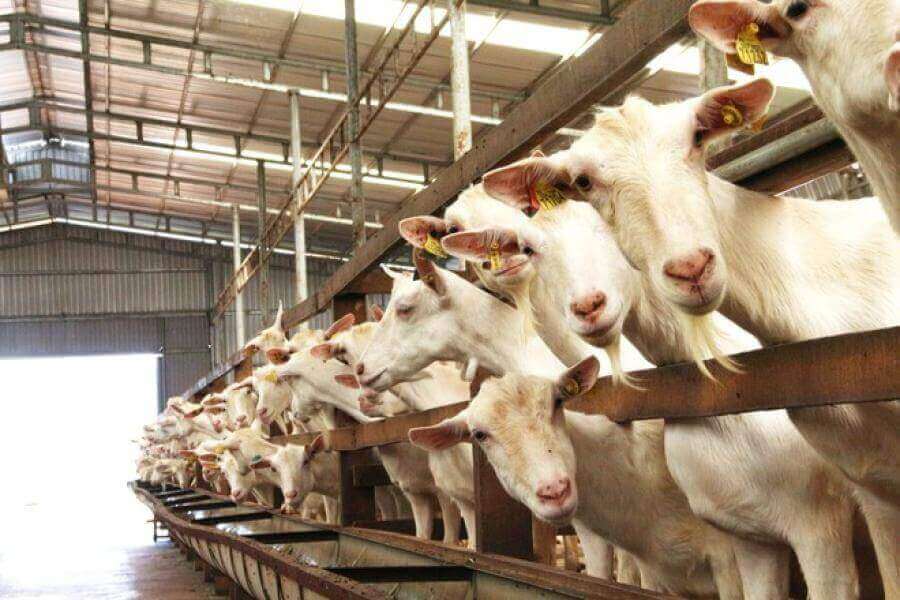
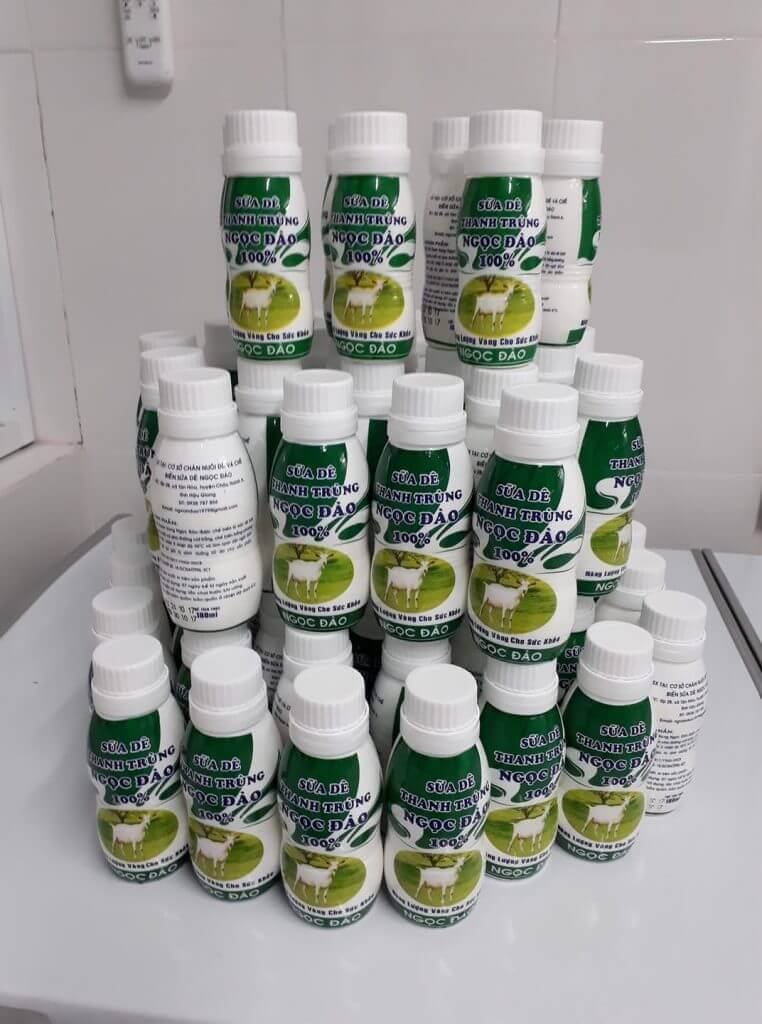
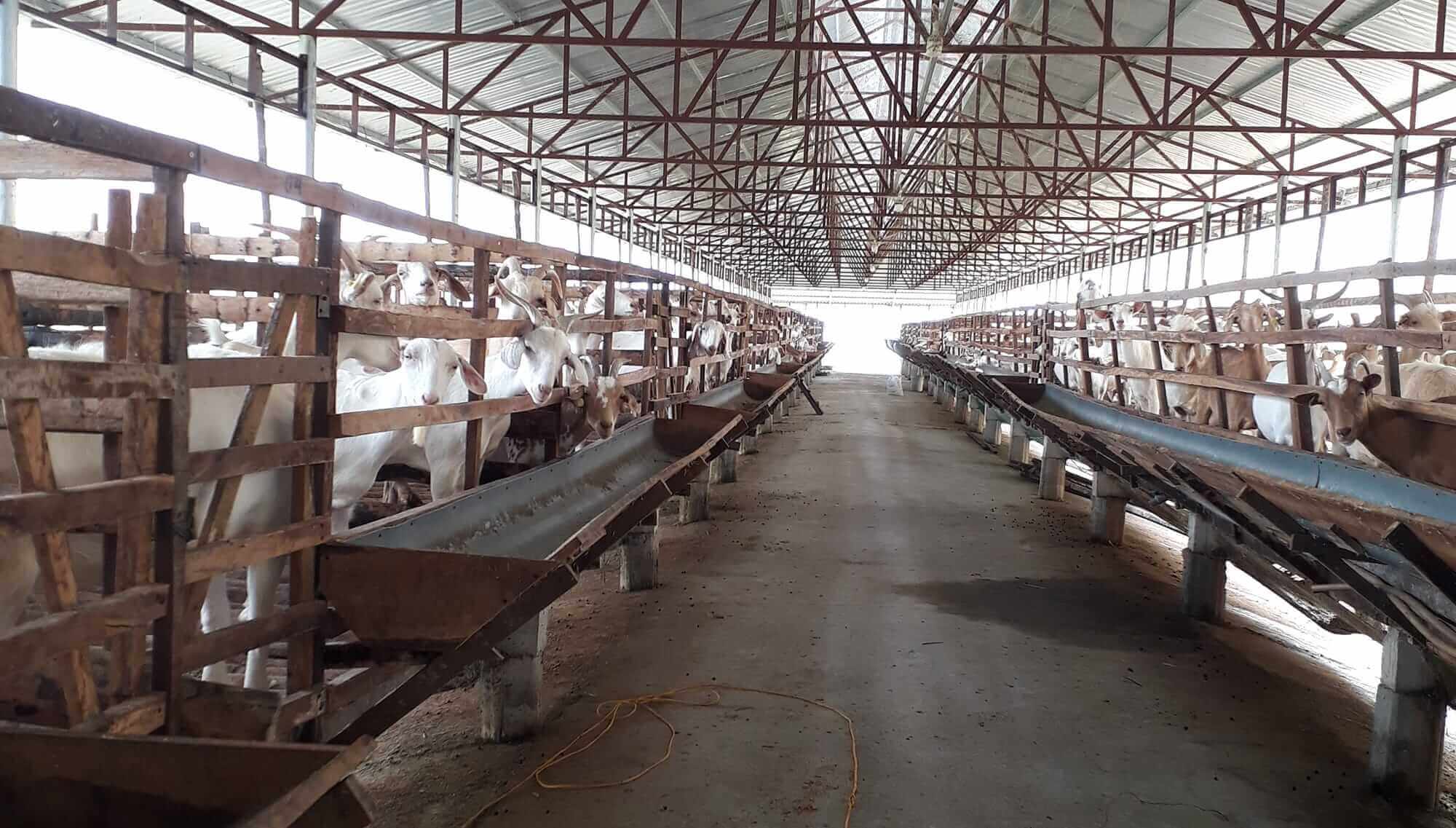
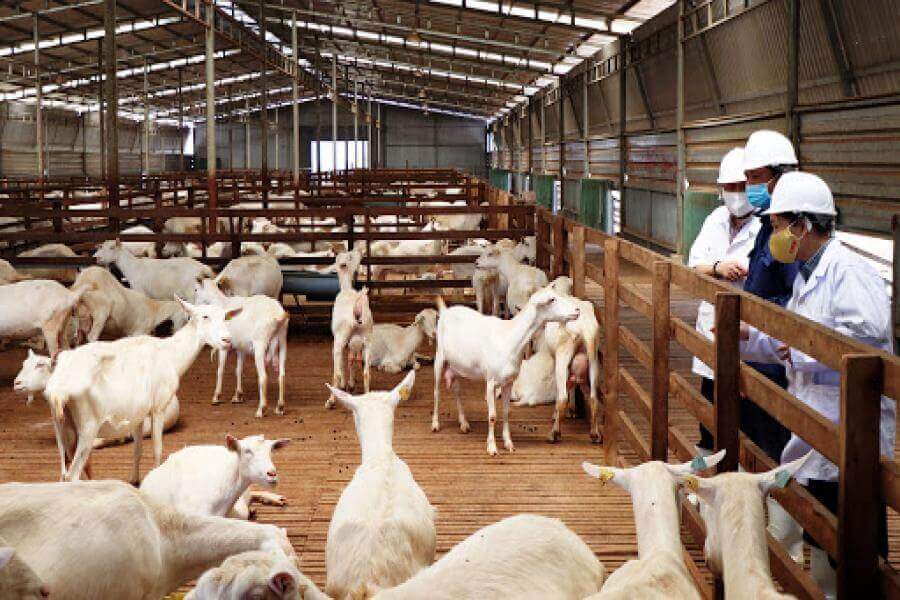
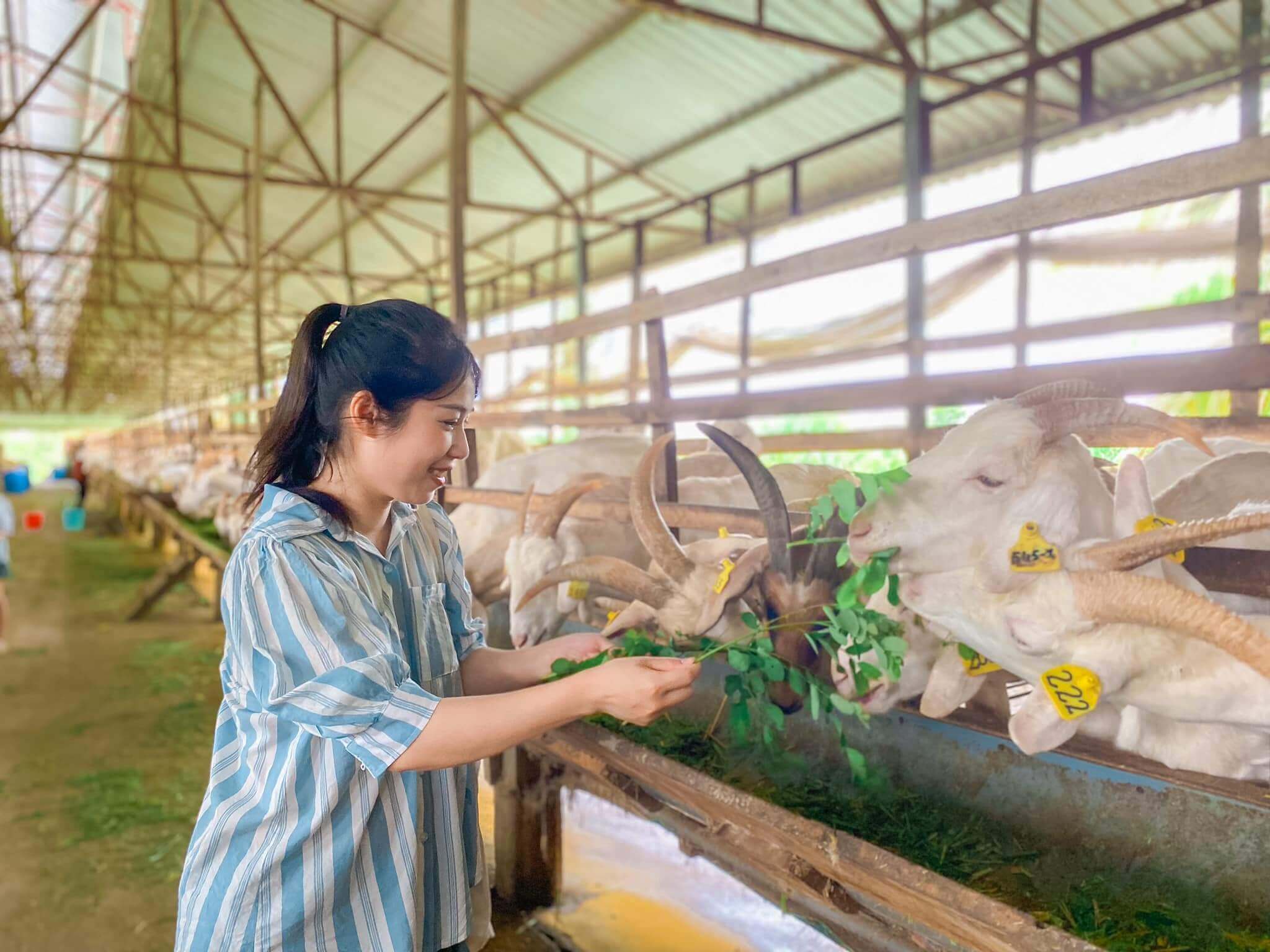
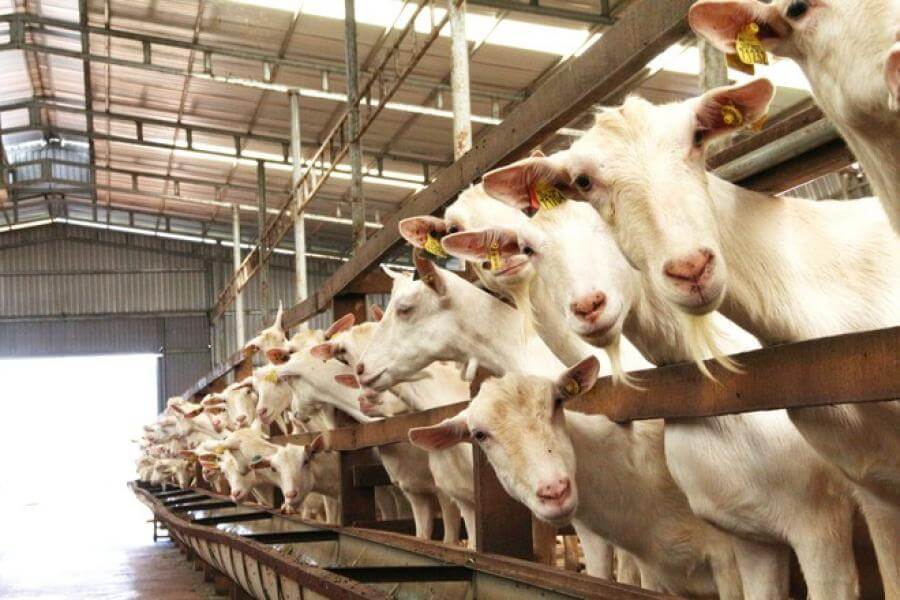
Ngoc Dao goat dairy farm is located in Hamlet 2B; Tan Hoa commune; Chau Thanh A District is a tourist destination in Hau Giang following the green agricultural model that is loved by many people. This place not only provides pasteurized goat milk and goat milk products that are good for health; but also brings practical and profound experiences for visitors to develop livestock in a sustainable way. Ngoc Dao goat dairy farm has an area of 2 hectares; Possessed to the couple, Dang Thi Ngoc Dao and Mr. Nguyen Van Rac. This is one of the most modern milk -raising models in Hau Giang province. 2010; Ngoc Dao's family started to raise commercial goats and gradually built a goat farm to get milk since 2017. Goats raised milk at the farm is Saanen goat with the advantage of a lot of milk; Easy to take care of. This variety is purchased at the National Agricultural Extension Center (Hanoi). To ensure food safety and hygiene for consumers. He determined that clean food sources play an important role. So; He took the initiative to plant more than 1 hectare of grass according to the organic method as food. There are also soybean by -products from local and young corn. His family also collected straw from the rice field and then fermented; About 3-4 months to bring goats to help increase resistance. The ingredients for goats are strictly controlled by you to bring the purest natural milk. The way to suck milk is also careful; Every day more than 40 liters of fresh goat milk are squeezed directly by the machine. Then put into pasteurized filter and eventually cooled by thermal shock to retain the optimal nutritional content of goat repair. Ngoc Dao goat dairy farm is processed into many attractive products such as: fresh milk; yogurt; cheese; Dry yogurt; Dry jackfruit yogurt sublimated and durian goat yogurt is sublimated. All of these items are recognized as OCOP products of Hau Giang province; 4 -star standard. Currently, Ngoc Dao goat dairy farm has welcomed visitors everywhere to visit. Here people can better understand goat milk products and have experience as farmers. Help children more brave for animals; More love for nature, animals, plants. Visitors can visit and take pictures with cute and cute white goats; Hands for the goats to eat; milk; Learn the production process; Enjoy and buy goat milk products. The barn here is designed in the style of stilt houses; tall and clean. The areas are also clearly divided, such as: Milk goat area; commercial goats; feeding area ... when visiting; Visitors will be enthusiastically guided; ready to answer questions related to the model; Intimate conversation understands more about the work of the farmer. Ngoc Dao goat dairy farm is really an interesting Western tourist destination; Contribute new colors to the tourism picture of the Mekong Delta.
Can Tho
From November to April
3027 view
Na Hang tourist area
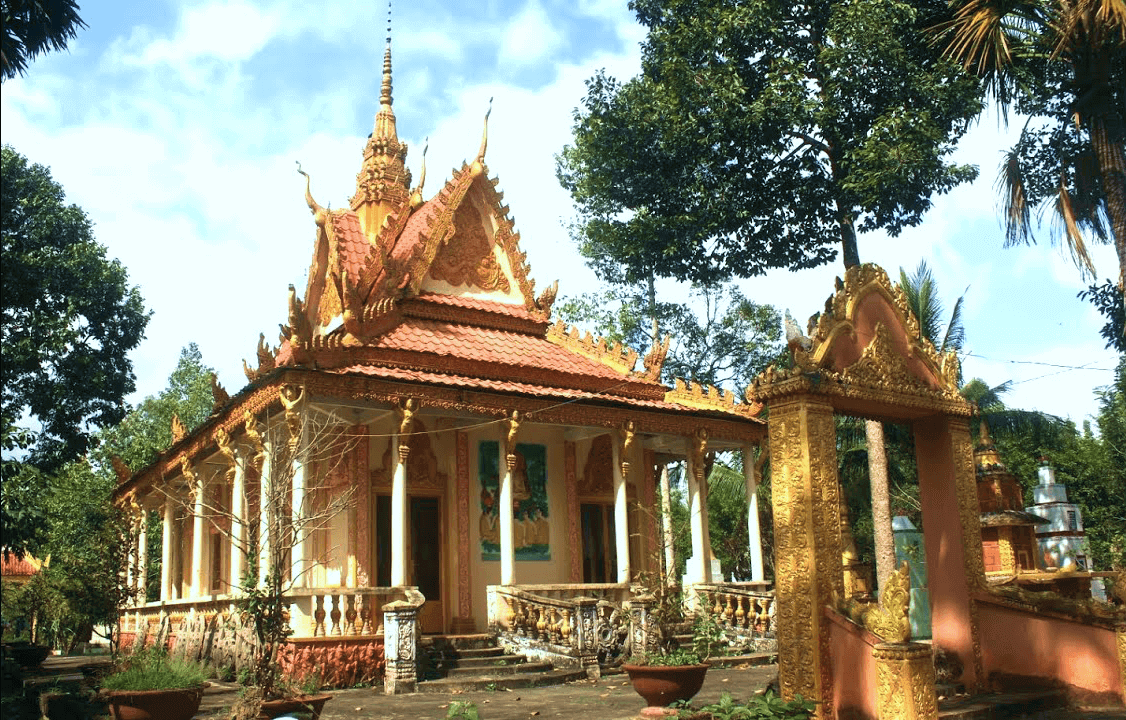
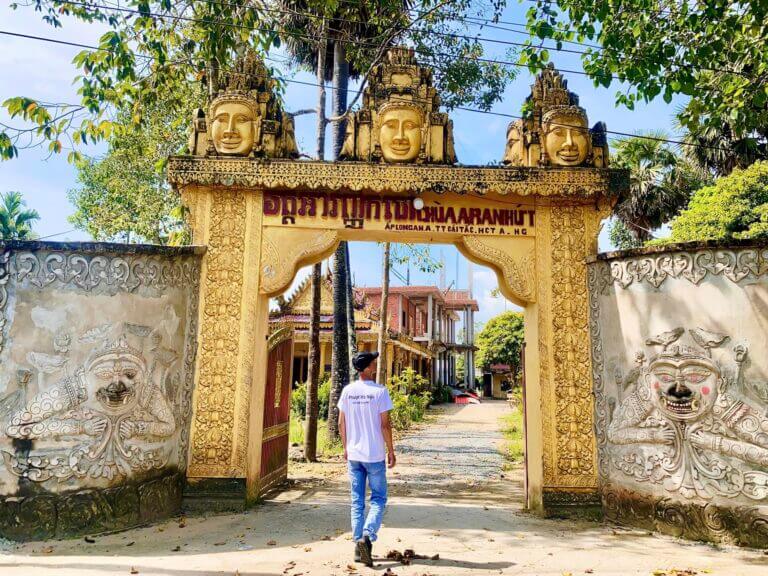
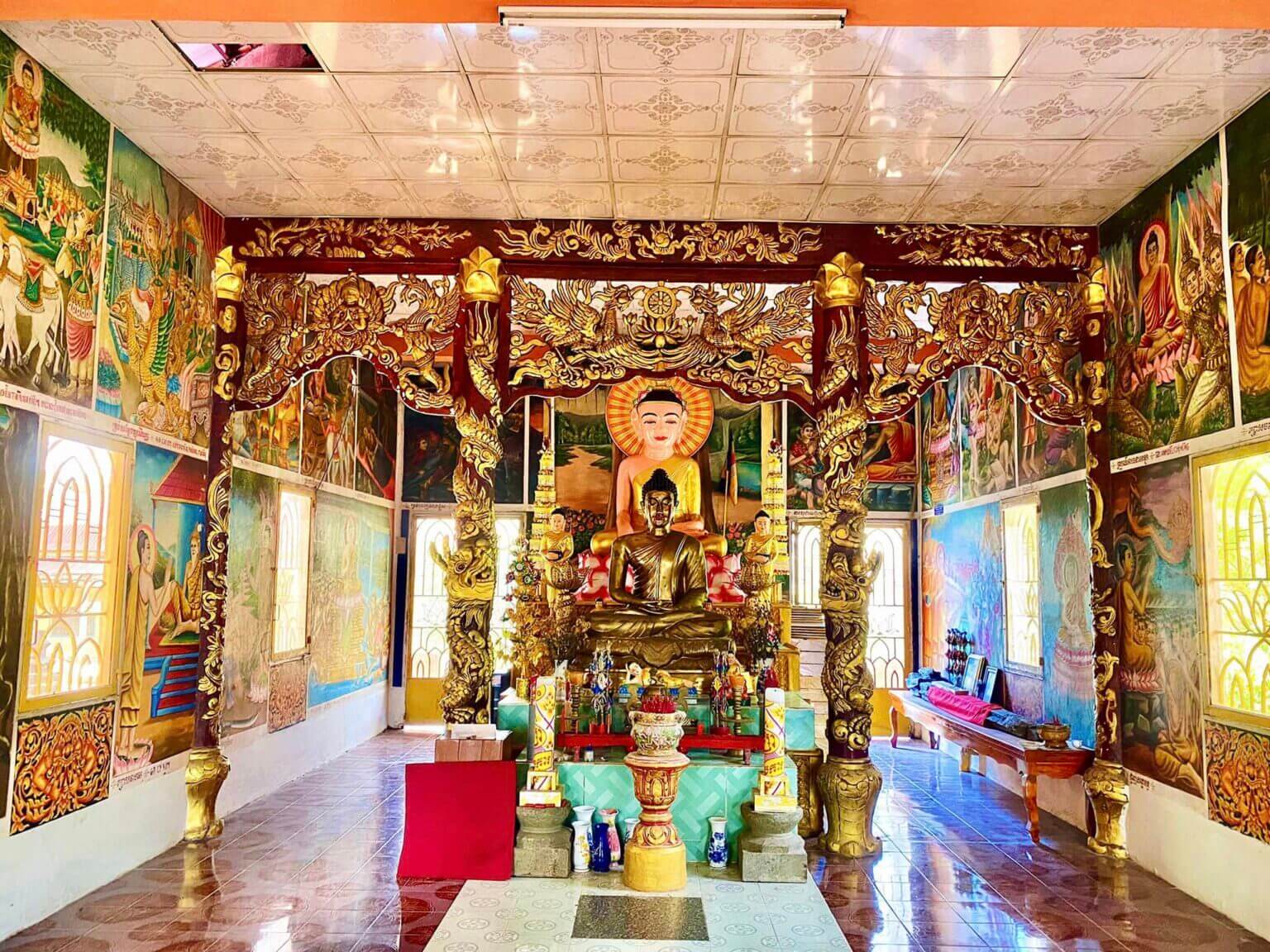
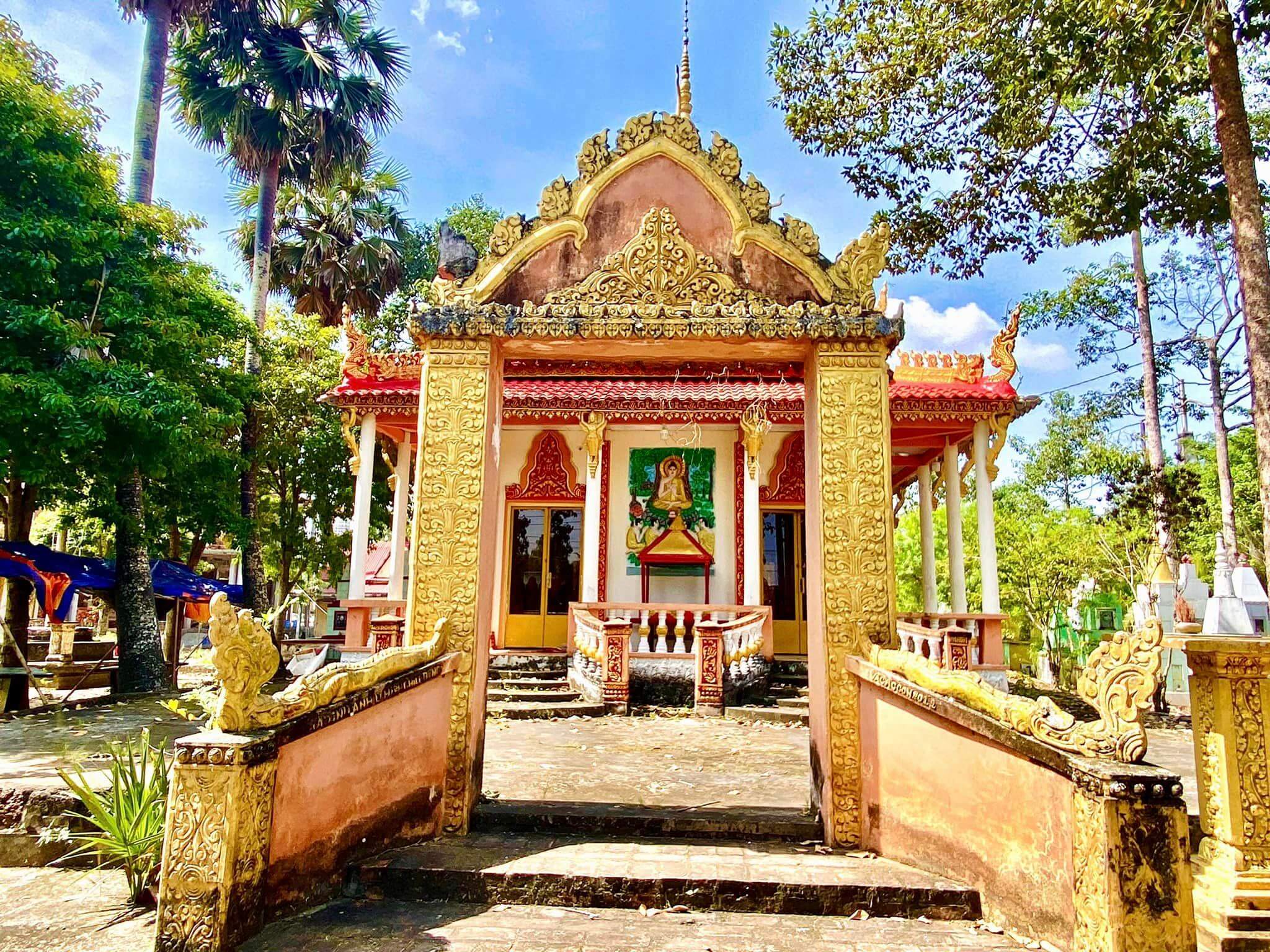
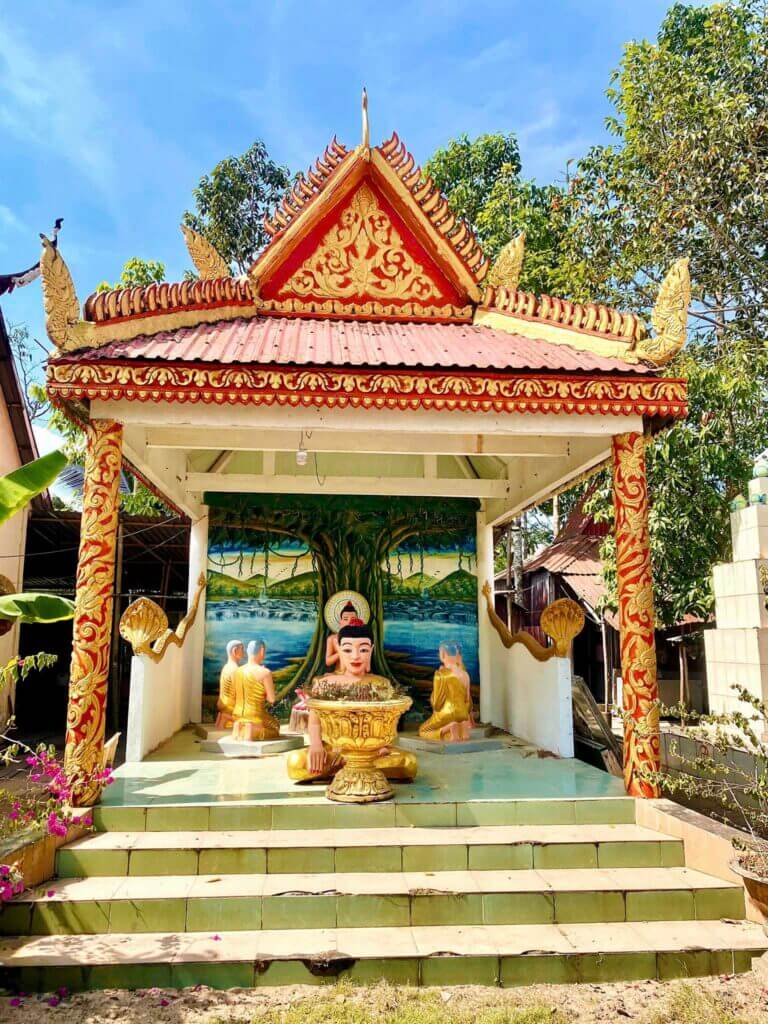
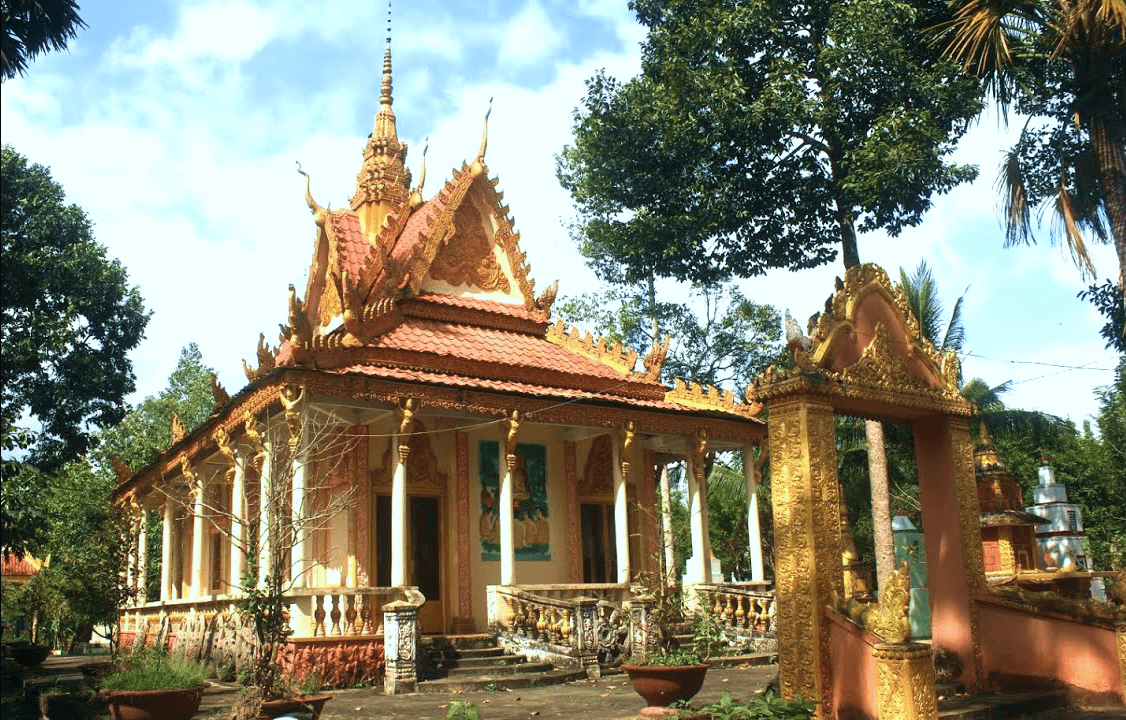
Khmer Aranh Tram - Hau Giang is one of the attractive destinations not to be missed when you arrive in Hau Giang. With a unique architecture and a long history, the pagoda is a museum that lives in the culture and beliefs of the Khmer people. You will have the opportunity to explore unique works of art, the paintings and Buddha statues are meticulously carved. In particular, this temple also has a sacred and peaceful garden, where you can find quiet and serene in the soul. Khmer Aranh is located in Long An A hamlet, Cai Tac town, Chau Thanh A district, Hau Giang province. Located about 20km from Can Tho city, this is a destination that attracts tourists from all over the world and religious lovers. The pagoda has a unique and very beautiful architecture, with the towers and Buddha statues meticulously carved. This creates a peaceful and holy space, attracting many people to visit and pray.The Khmer Aranh has many unique architectural works such as the temple gate, the main hall, the Buddha image and the towers. These works are built with sophistication and meticulousness, showing the respect and devotion of the people towards Buddhism. The structure of Khmer Aranh pagoda is bold characteristic of the Khmer architectural style. The common feature of this style is the combination of Hindu and Buddhism architecture, creating works that are both solemn and splendid. The Khmer architectural style is shown by the use of sophisticated images and motifs on towers, pagodas and Buddha statues. The works are built from bricks and stones with hard work and elaborate, creating unique works of art. Khmer Aranh Temple is not only a prominent architectural work but also has a special cultural and spiritual value. This is a place that attracts tourists and architectural artists to explore and learn about the culture and history of the Khmer people. At the Khmer Aranh temple, many important festivals and religious rituals take place every year. These festivals attract a large number of locals and tourists to participate. The festival takes place in a solemn and solemn atmosphere, creating a sacred and impressive space. In addition to religious rituals, Khmer Aranh temple also organizes many cultural and tourist activities to attract tourists. Visitors can visit the temple, discover unique architecture and learn about the history and culture of the Khmer people. The pagoda also organizes traditional cultural festivals, such as fairs and art exhibitions. This is a great opportunity to explore and experience the unique cultural of the Khmer. With a beautiful location and unique architecture, Khmer Aranh Temple is an attractive destination for visitors who want to explore Hau Giang's special culture and history.
Can Tho
From November to April
3427 view
Na Hang tourist area
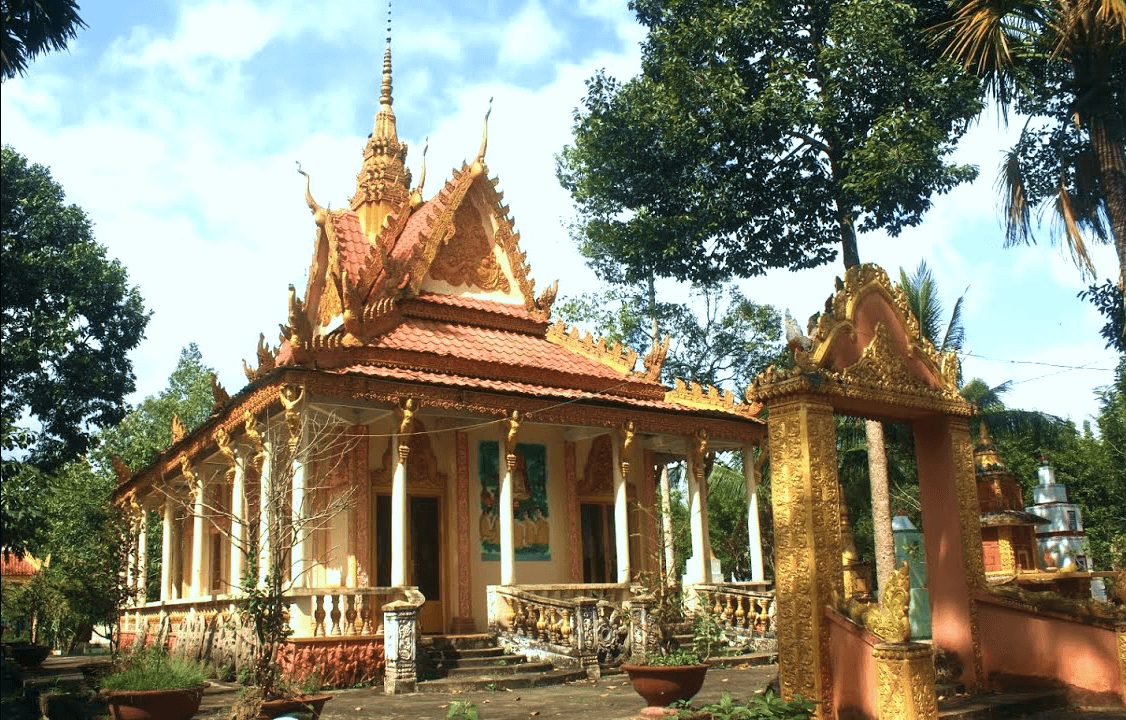
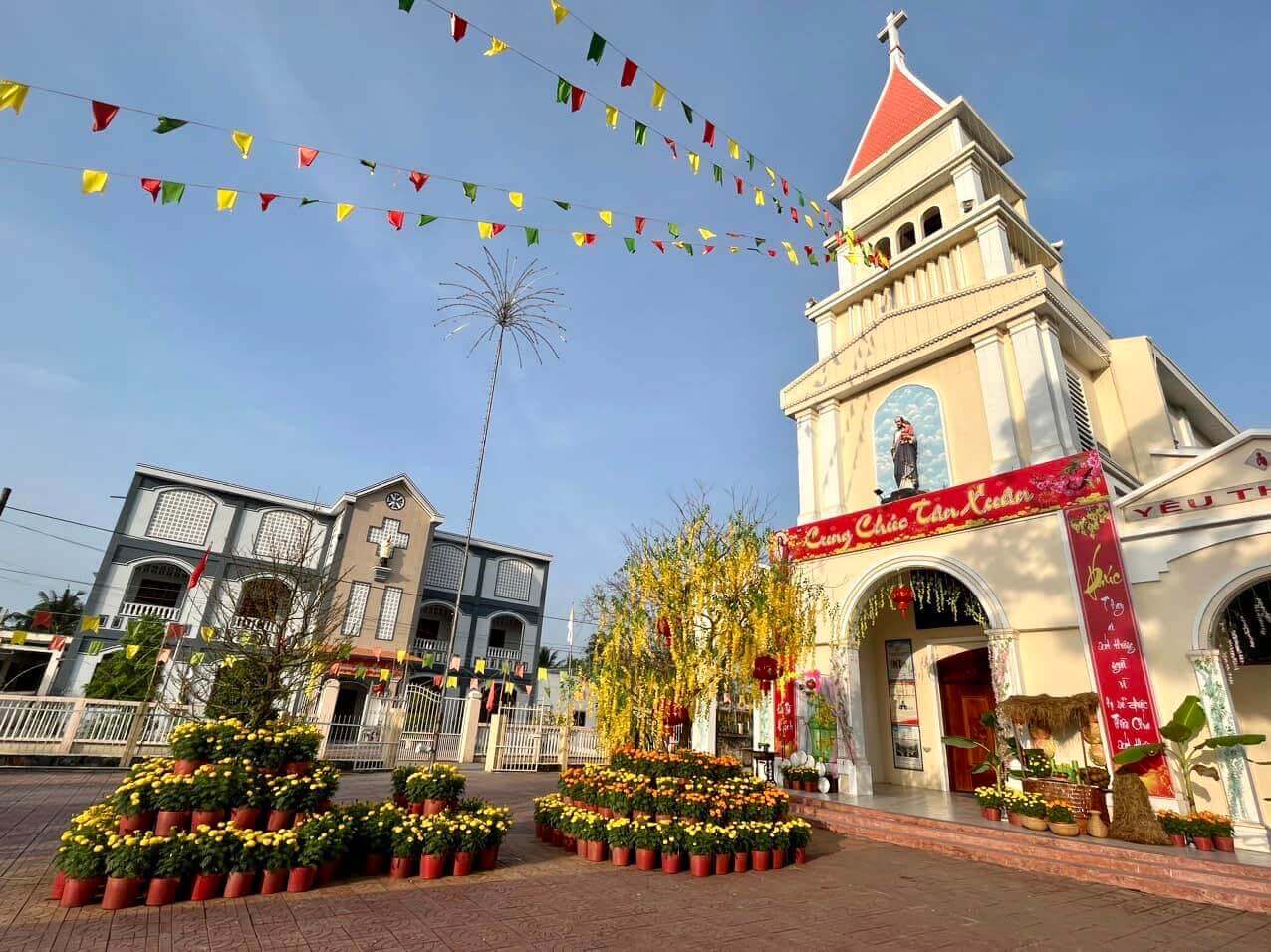
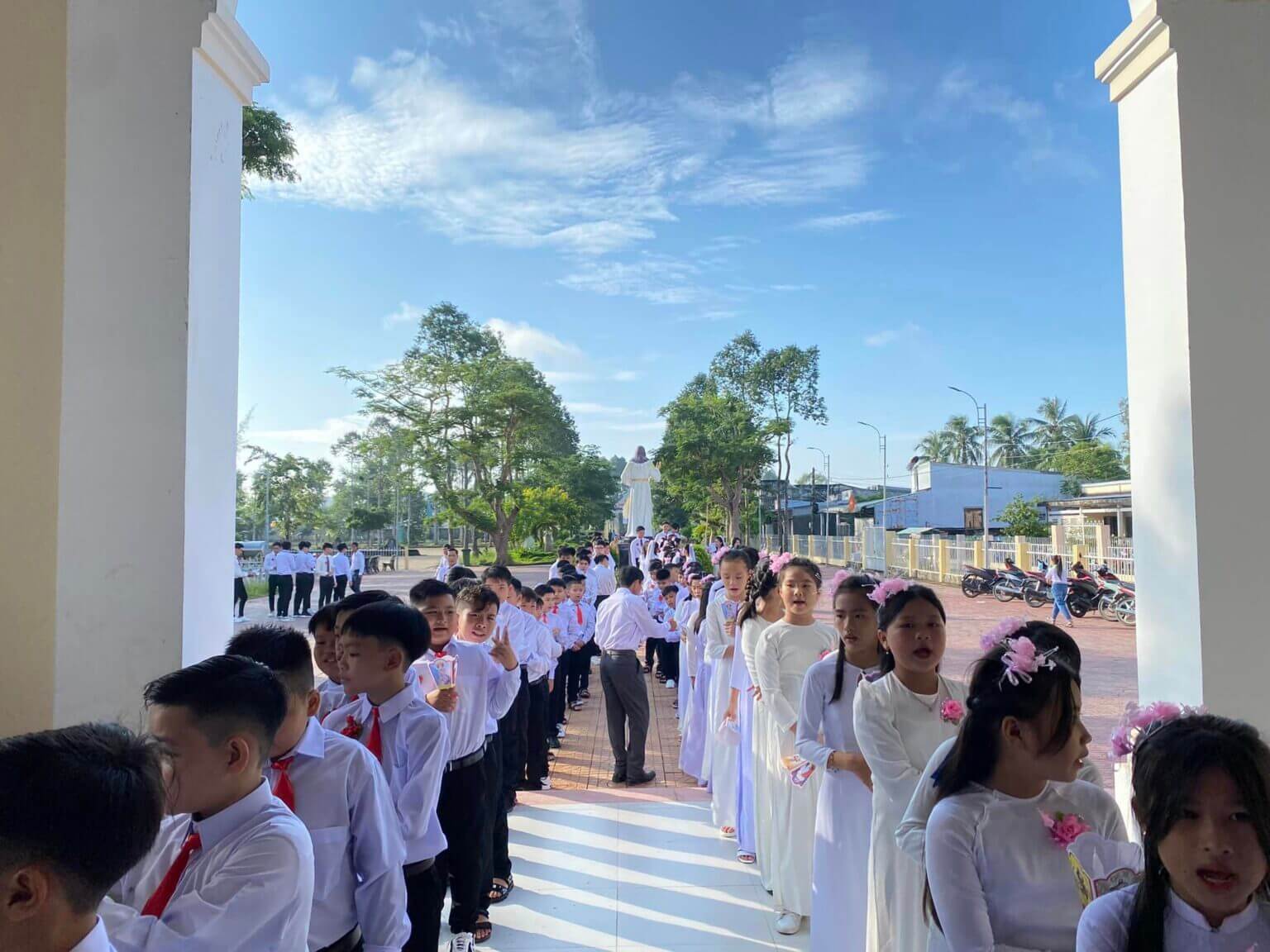
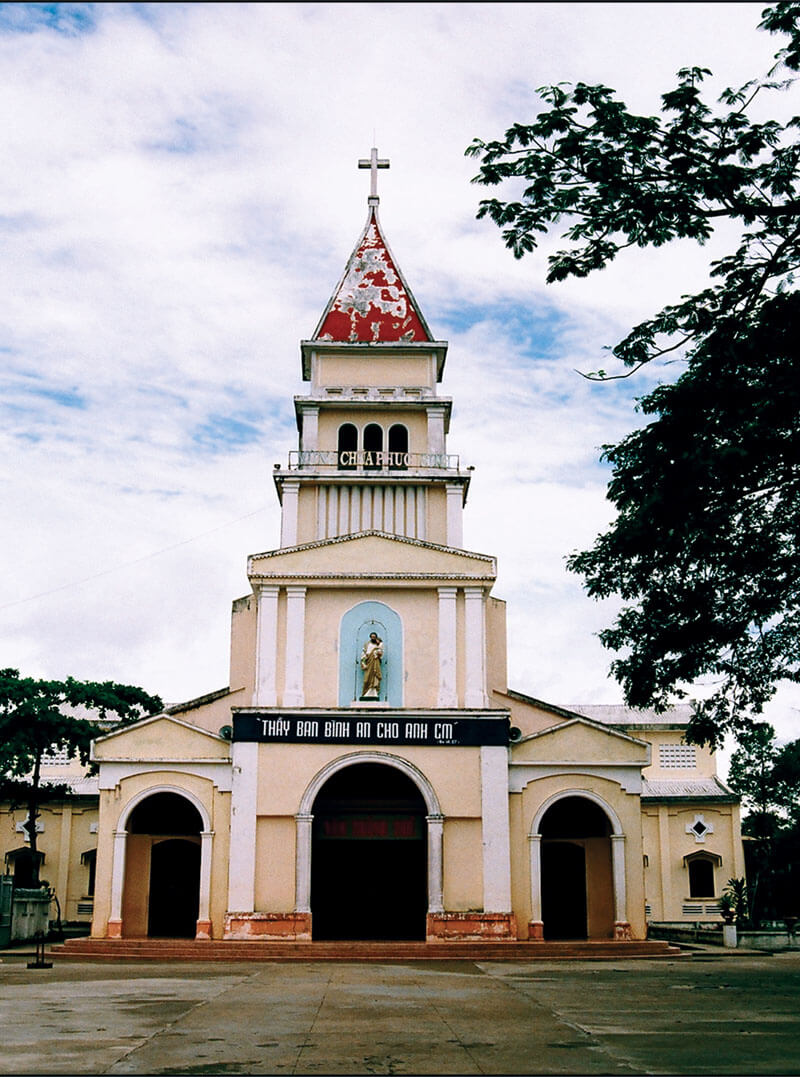
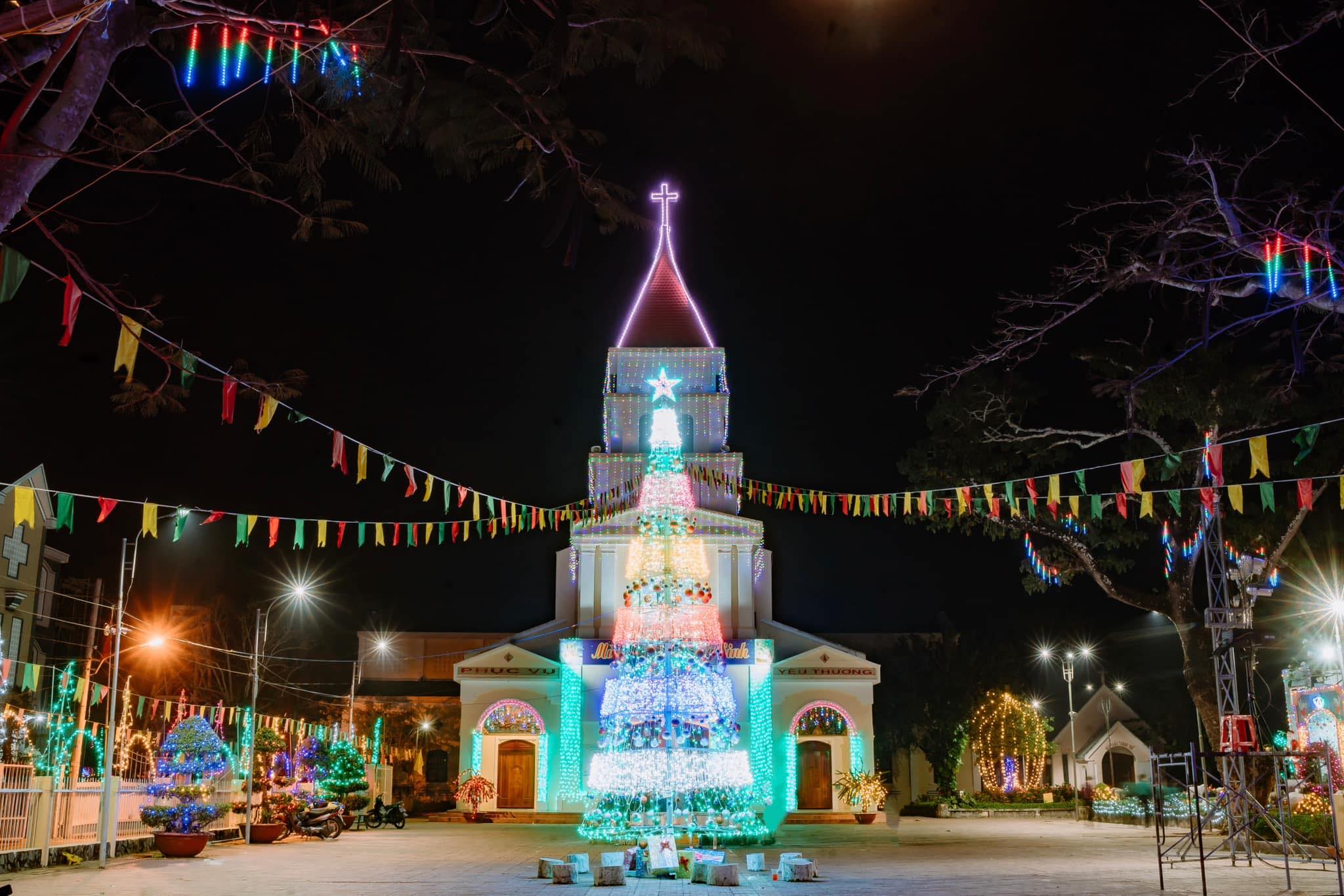
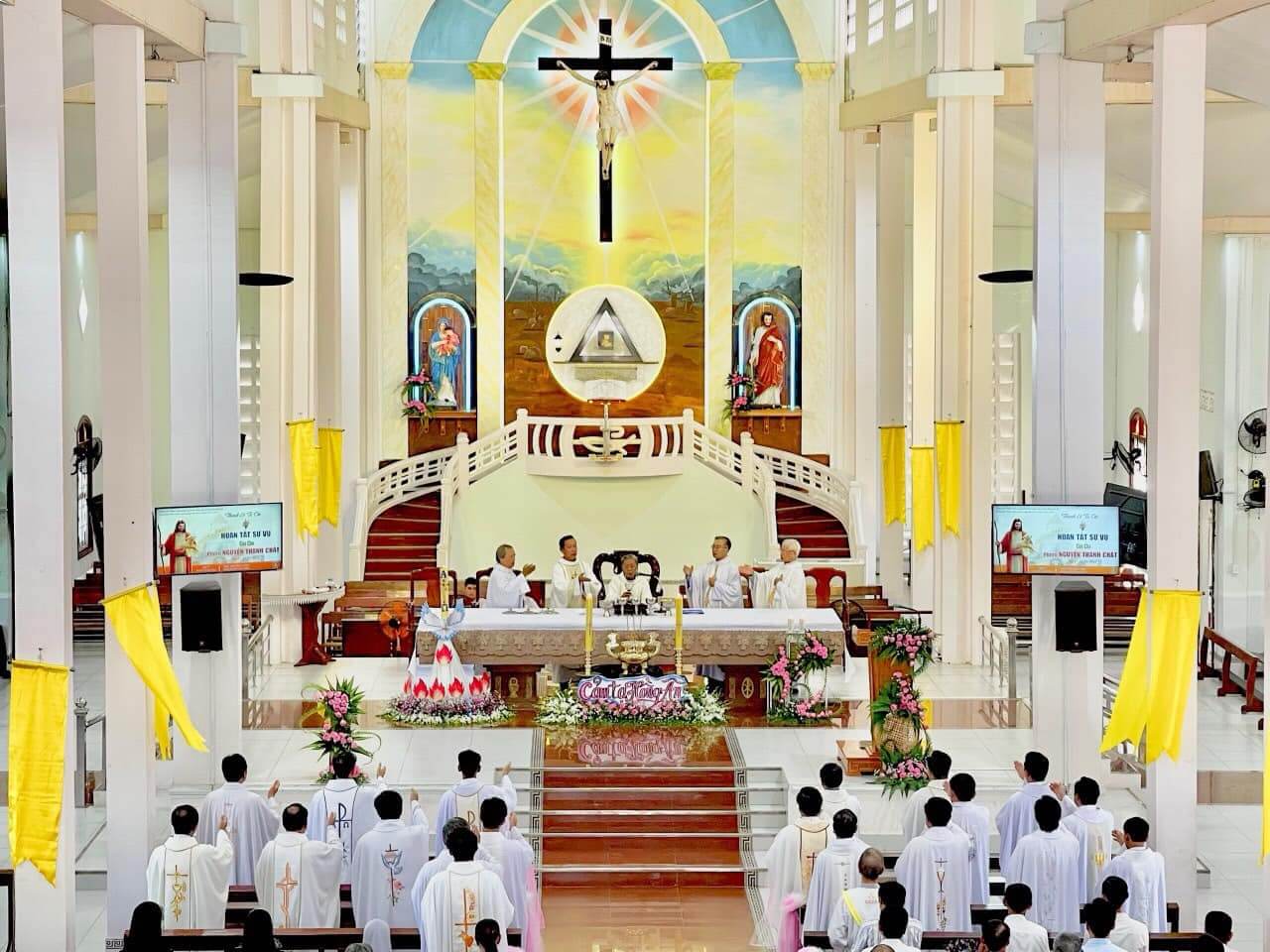
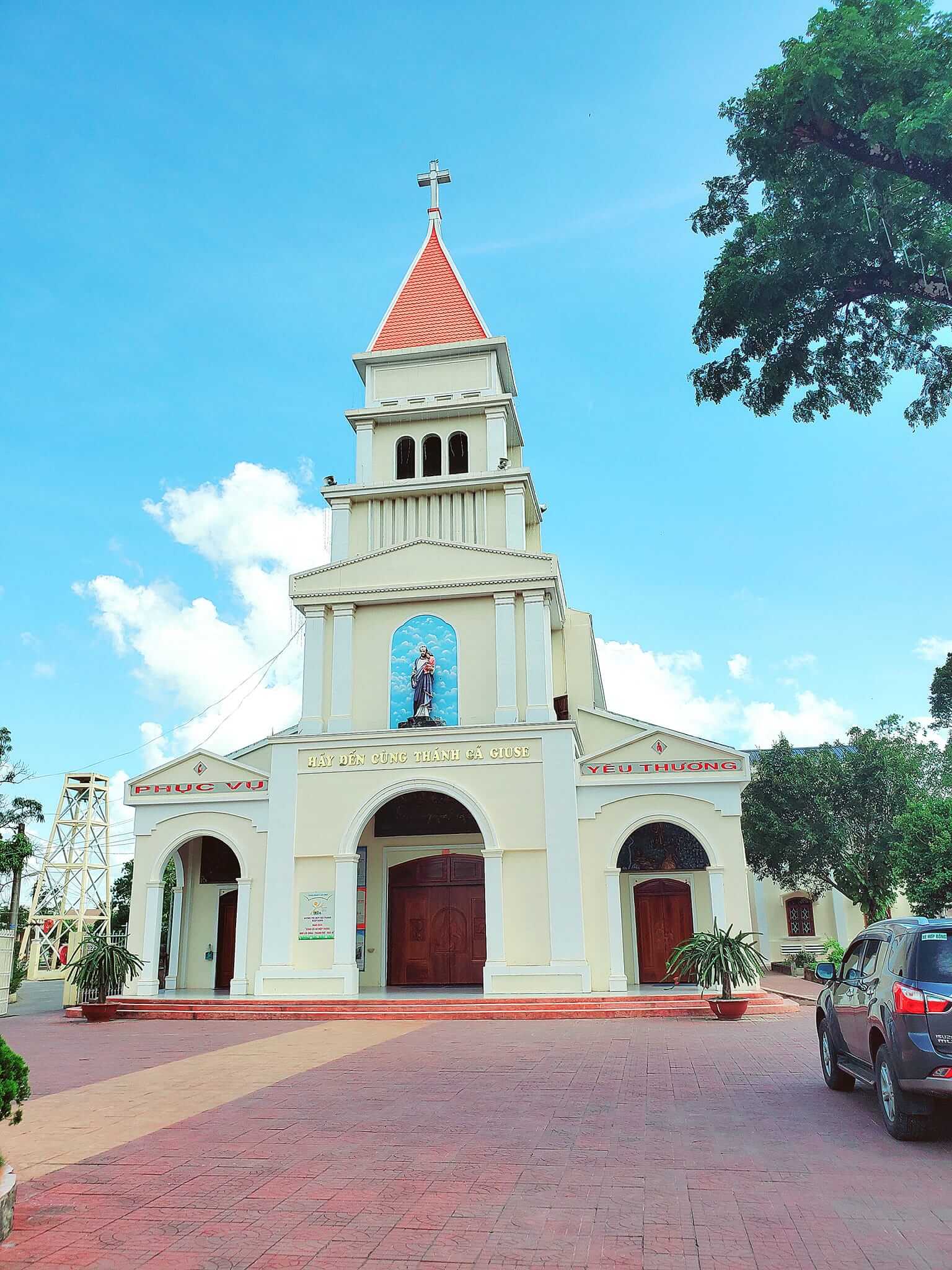
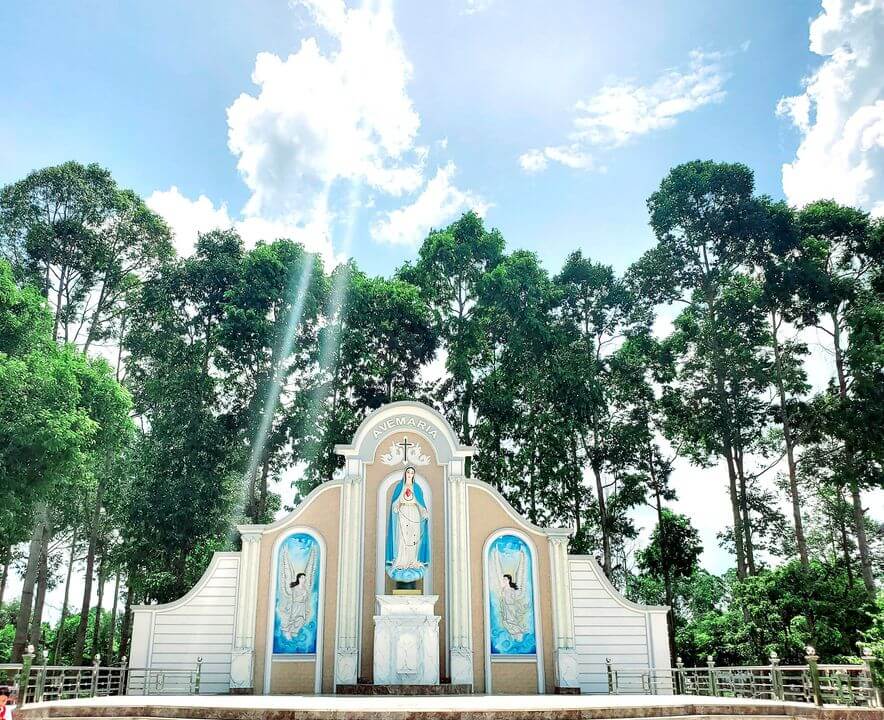
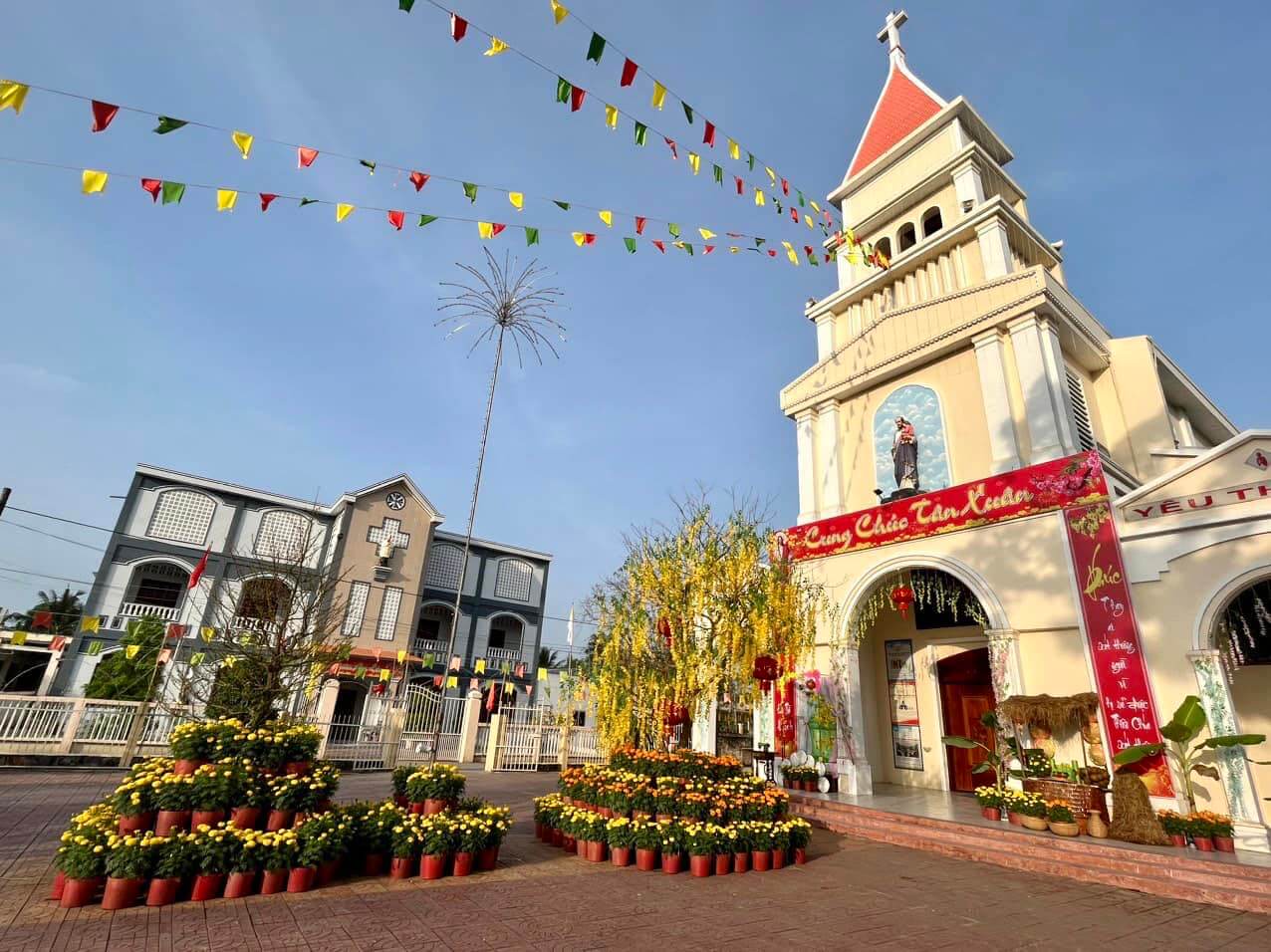
Tra Cage Church is one of the famous religious works in Hau Giang. Located in Long My commune, this church has a long history and is an important historical monument of this land. Tra Cage church was built in the 19th century and completed in 1916. The original church had French architecture, but was later repaired and supplemented according to local architecture. This is the spiritual culture of the local people and attracts many tourists to visit and learn about the unique history and culture of the area. The worshiping of the cage has a special architecture with the high round columns and dome, creating a sacred and peaceful space. This place is not only a place of worship, but also a place for visitors to learn about the history and culture of the locality. In addition, the cage church is also held the festival here, attracting many participants. The festival brings a joyful, vibrant atmosphere and is an opportunity for people to interact and show their beliefs and respect for religion. Tra Cage Church is a great destination for those who love spiritual tourism and want to explore the cultural beauty of Hau Giang. The worshiping of Tra Cage (Long My - Hau Giang) is one of the beautiful architectural works in Hau Giang. With unique architectural style and exquisite design, this church has the spiritual and history of this land. The architecture of the cage church has the interference between traditional and modern architecture. With the typical triangle architecture, the church is built with bricks and has a high dome, creating a sacred and solemn space. Besides, the church also has delicate and sharp decorative motifs, creating a unique and attractive beauty. The worshiping of the cage (Long My - Hau Giang) is one of the beautiful churches in Hau Giang and is an important spiritual destination of the local people. Here, religious activities are organized regularly, such as Mass and rituals. Mass at Tra Cage church is a place for the community to focus on the community, praying and participating in the procession, thanksgiving and prayer ceremony. The Mass is not only a place to express respect and respect for the Lord, but also an opportunity for the religious community to exchange, share and connect with each other.Iting at Tra Cage church is not only religious but also for fun, entertainment and cultural exchanges. Tourists and people will experience activities such as performing, singing, adoration and folk games. This is an opportunity for people to enjoy the festive atmosphere and explore the traditional culture of the locality.With a unique and sophisticated architecture, this church is an ideal destination for those who love to take photos and explore the beauty of ancient architecture. Visitors can enjoy peaceful space and keep memorable moments here.
Can Tho
From November to April
3170 view
Na Hang tourist area
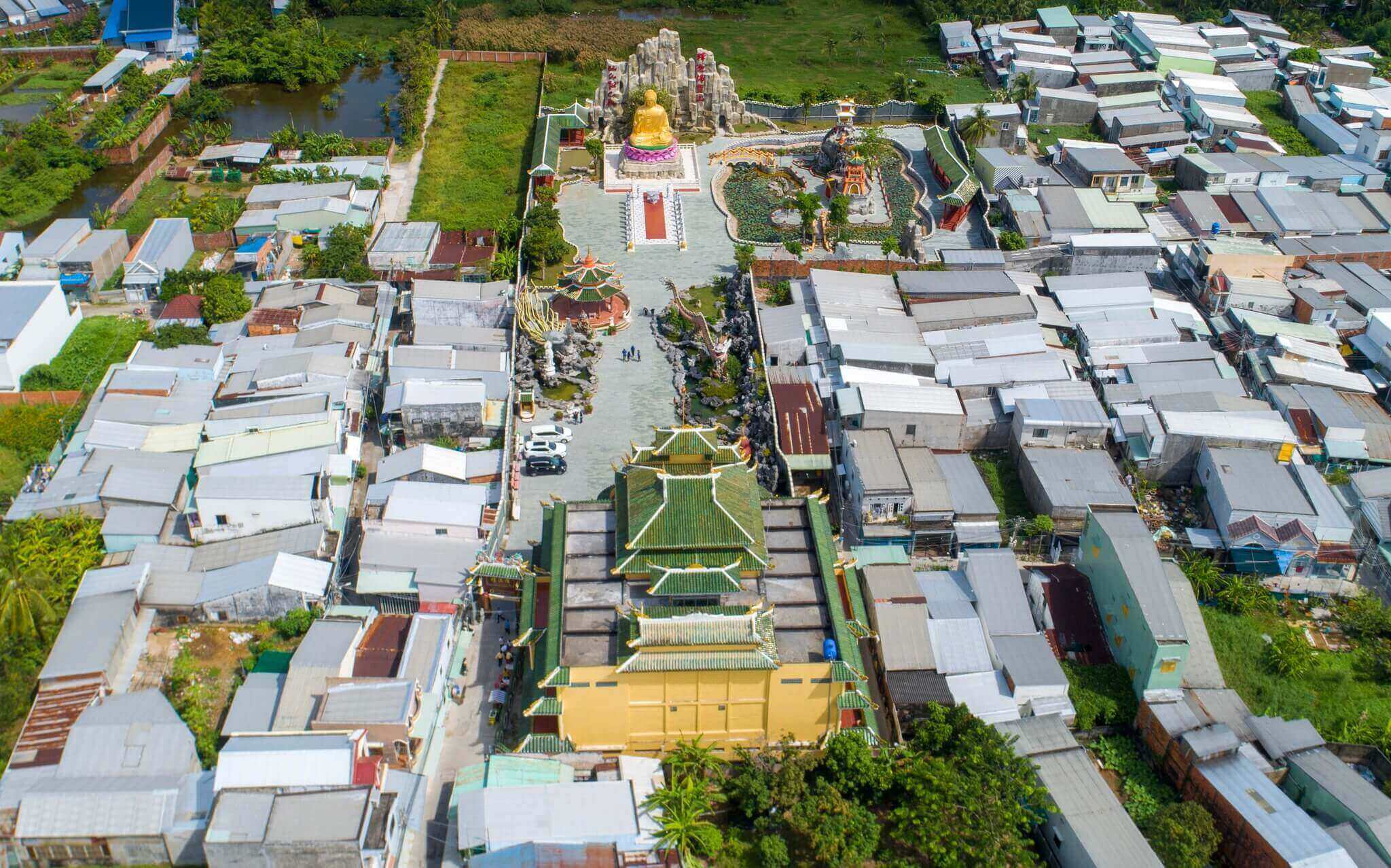
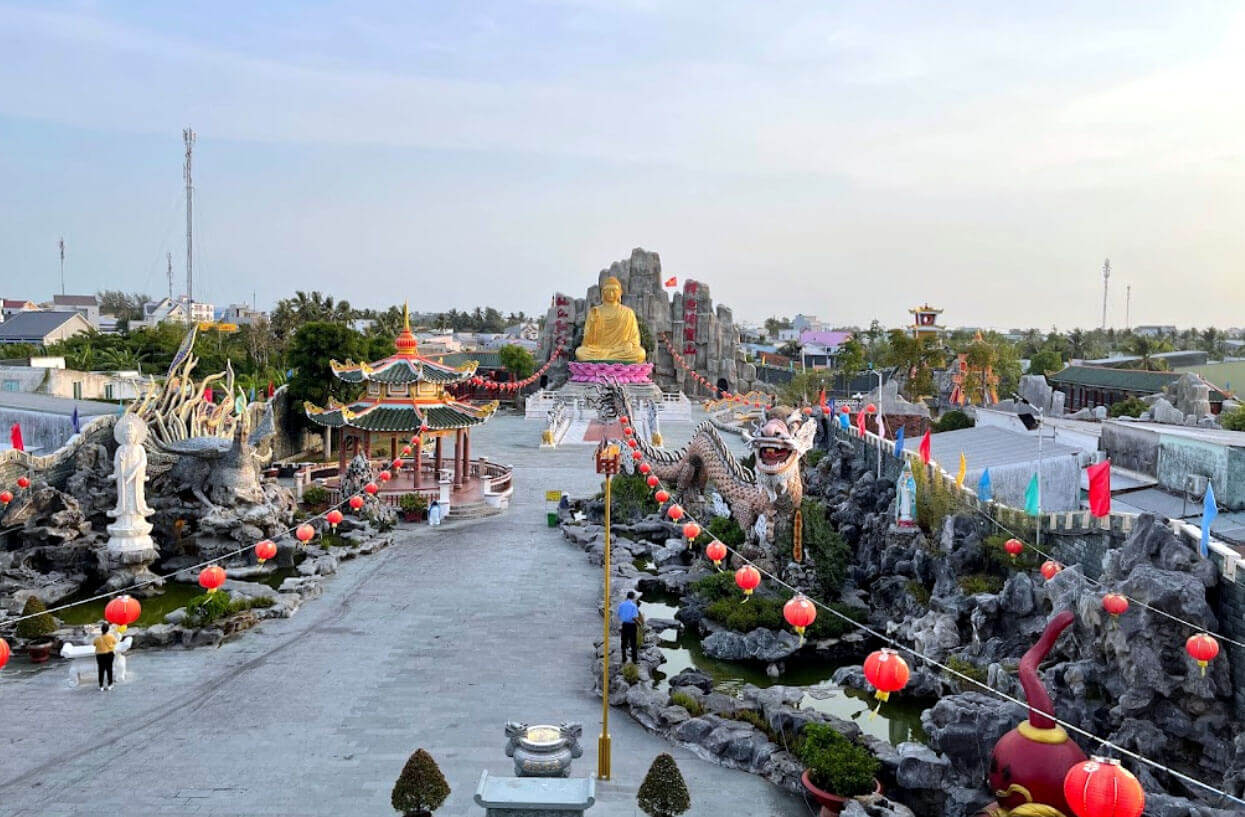
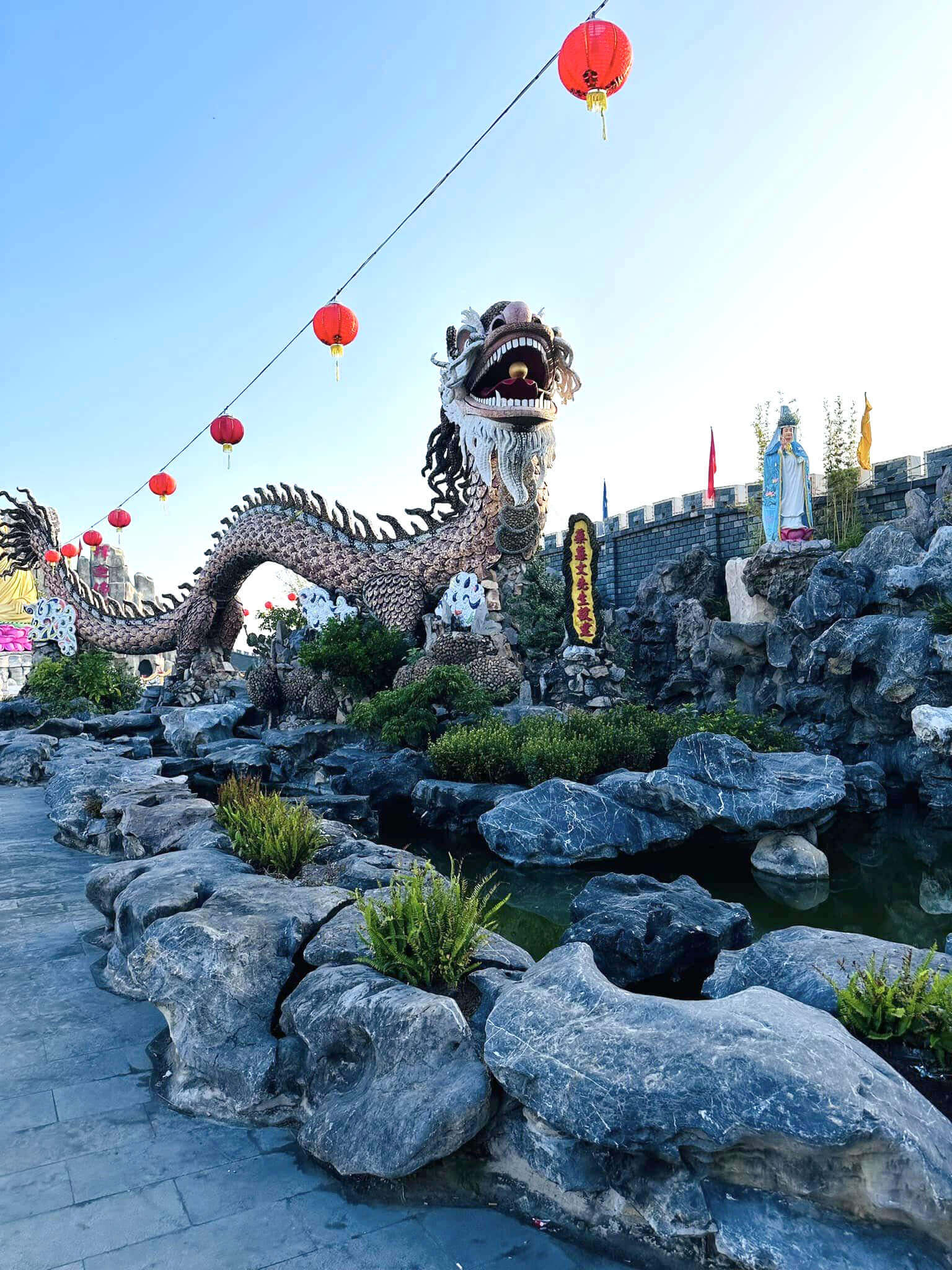
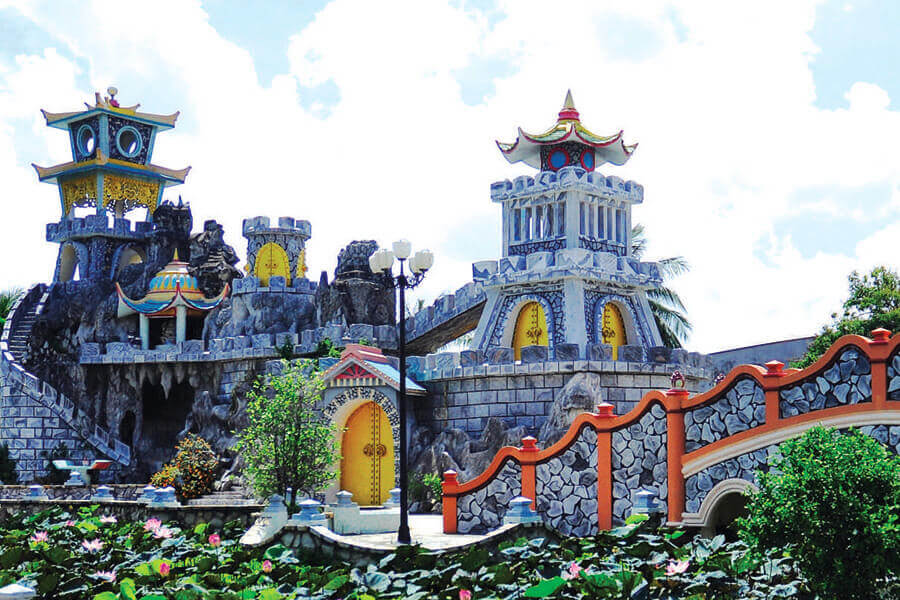
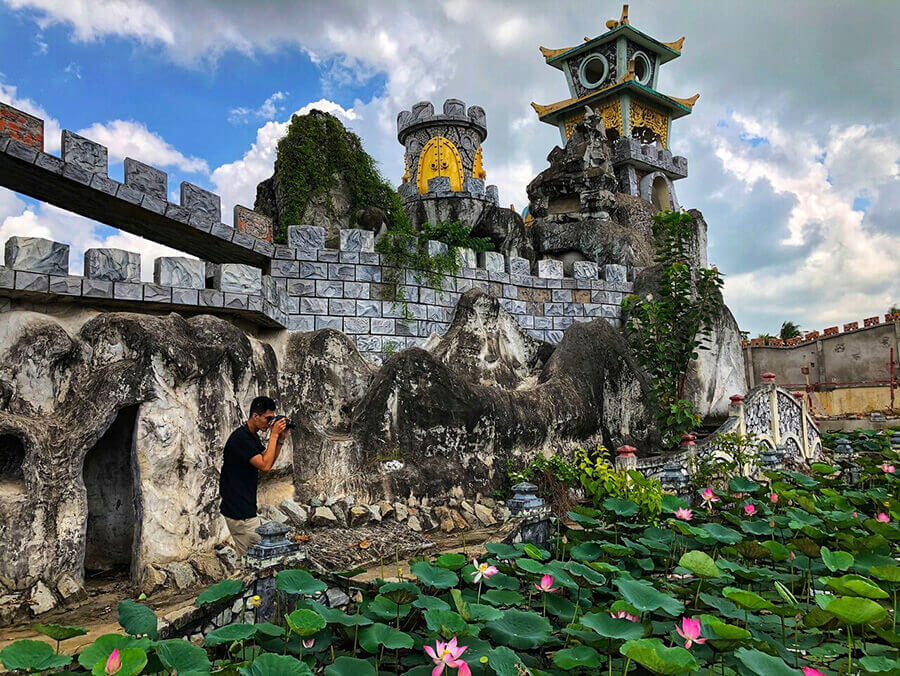
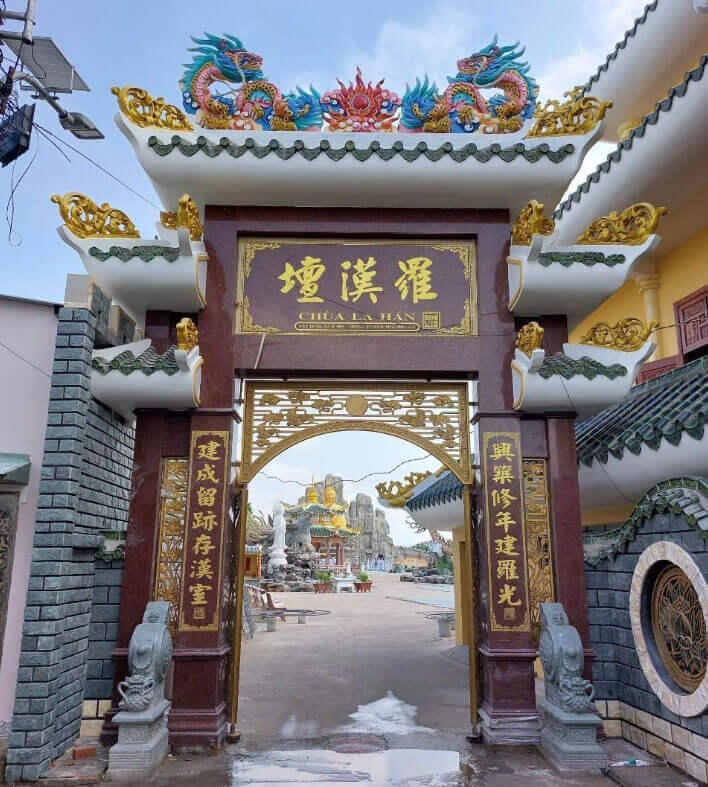
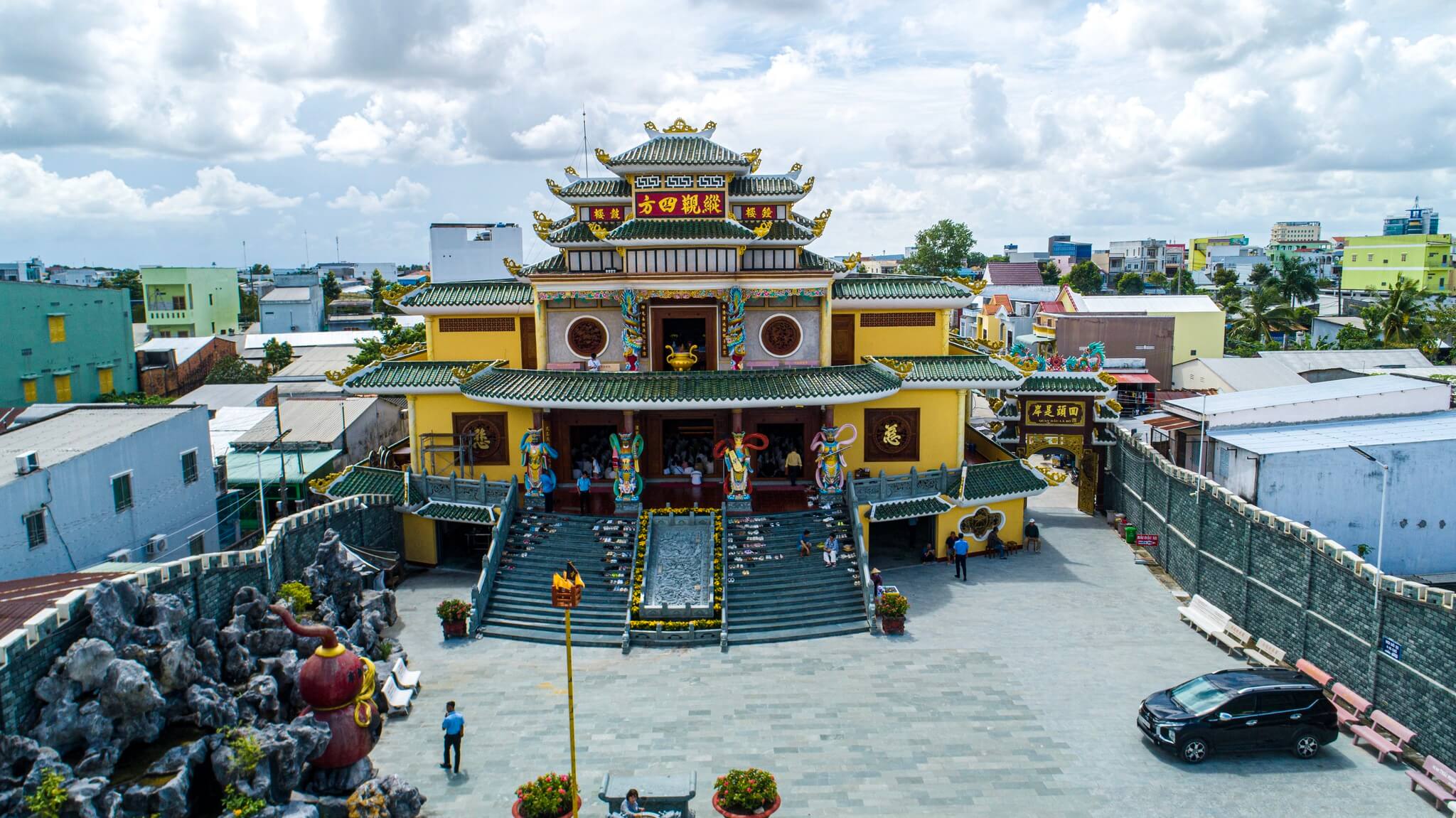
Vinh Thien Tu people call La Han pagoda; Located at 131 Dien Bien Phu Street, Cau Den hamlet, Ward 8, Soc Trang City. From the bustling city center; crowded to C247 bridge (bridge) turn right on the small road a few hundred meters to come. La Han Pagoda was built by the Chinese Chinese Chaozhou in 1952. Initially, it was only a small house with simple paintings with the board to worship the Buddhas. Among them is the image of 18 Arhat. Because of that, the pagoda is often called by the locals according to the Buddha statues, so the name of La Han pagoda. In 1956, the pagoda was destroyed by a big storm, causing great damage. Local people later donated their efforts to rebuild the wooden temple and tiles. From then until 1990; The pagoda was restored; Building additional temples of Shakyamuni Buddha and the temple of Ba Thien Hau with an extended area of 2,000 m2. In 2012, the Pagoda Administration Department mobilized the temple campus to up to 7,000 m2 as today. La Han possesses a unique and beautiful architecture in harmony with the elegant and quiet scenery in the spacious space Cool. The temple was built monumental with two separate floors including four stacked roof systems. The tile roof is green and stylized with a floral -shaped dragon, soaring with two ends like a surfing boat, bearing the traditional art style of the Chinese, both deep and nostalgic and modern. freshness. The Buddha statues here are meticulously cast and carefully decorated, showing the solemnity of the practice and meditation. The lower floor worships Thien Hau Nuong, Dau Dau Cong, Wen Than and the fairies, the fairy is very solemn, making anyone visiting feel sacred. La Han Pagoda surprised visitors because many highly artistic works are very different from other temples. On the front yard of the pagoda of Phuoc Duc Old Old, the statue of Quan Am Buddha and many natural scenes more poetic such as: ao lotus, Pho Da mountain, Bat Buu lamp, the statues Lan and there is a turtle lake with the communal house. The most impressive is the great statue of Shakyamuni Buddha in a majestic sitting position. La Han Pagoda preserves the values of the spiritual life of the Chinese. Having the opportunity to travel to the West to La Han Temple of Soc Trang on the full moon occasion, the first day and the holidays, the weather of the Chinese, you will have the opportunity to witness the Buddhist rituals here. La Han Pagoda does not have monks and nuns, so Buddhist rituals are celebrated by layperson. The prayers are recited in the Chaozhou language with very separate melodies and the concert of the typical Buddhist Weapons of the Chinese. Surely these will be interesting cultural discoveries and experiences for travelers from far away.
Can Tho
From November to April
3437 view


Na Hang tourist area
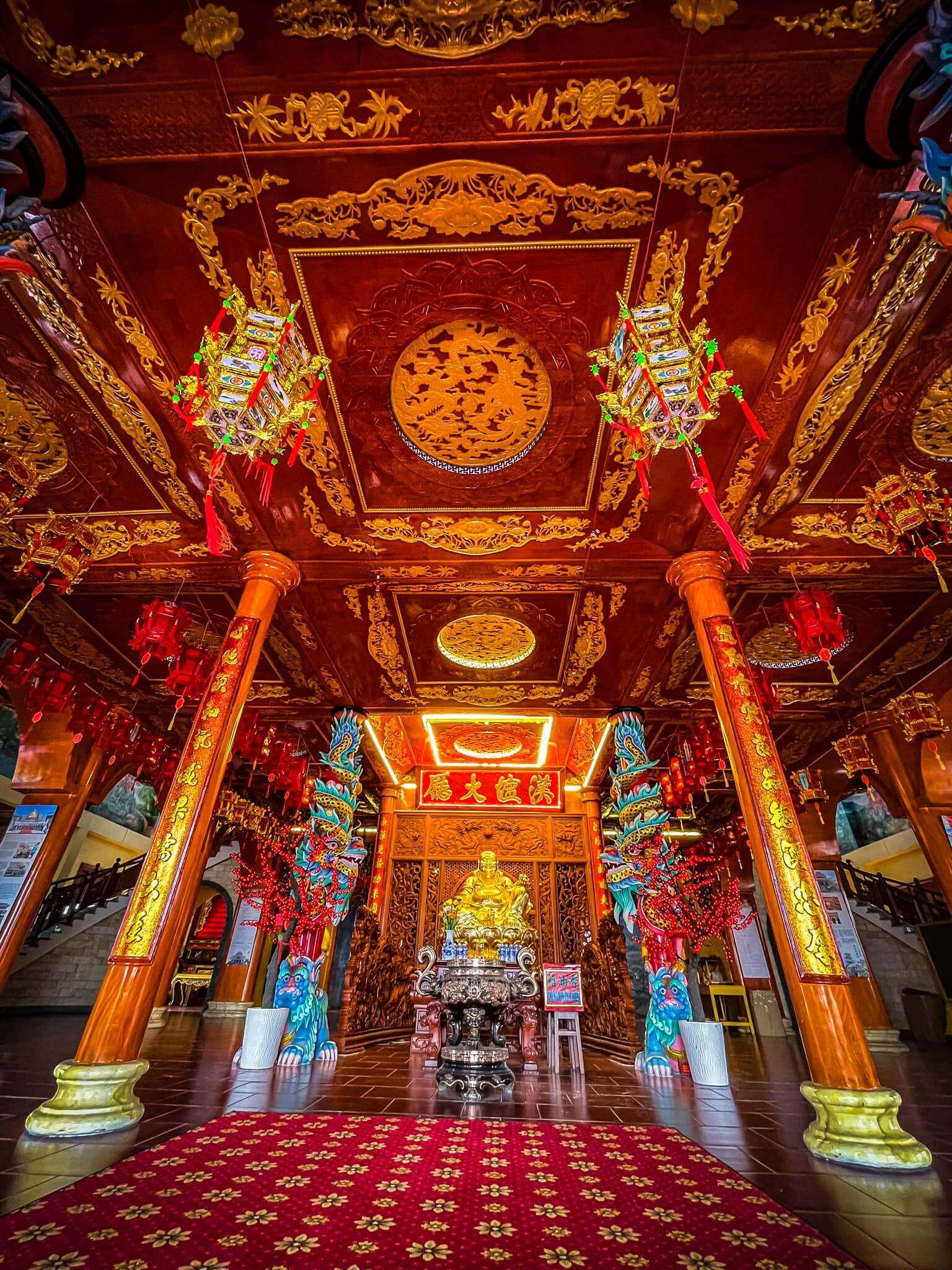
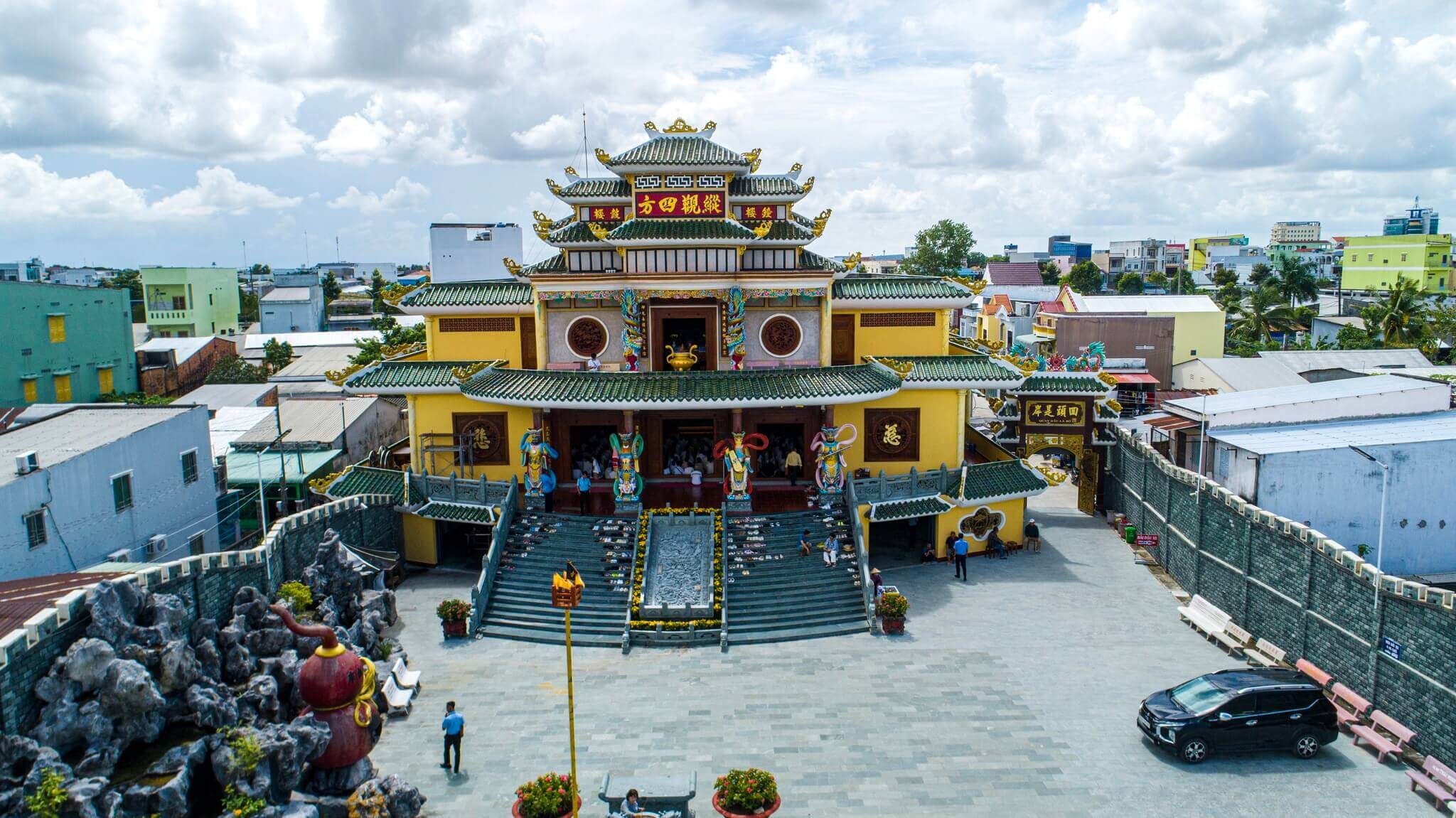
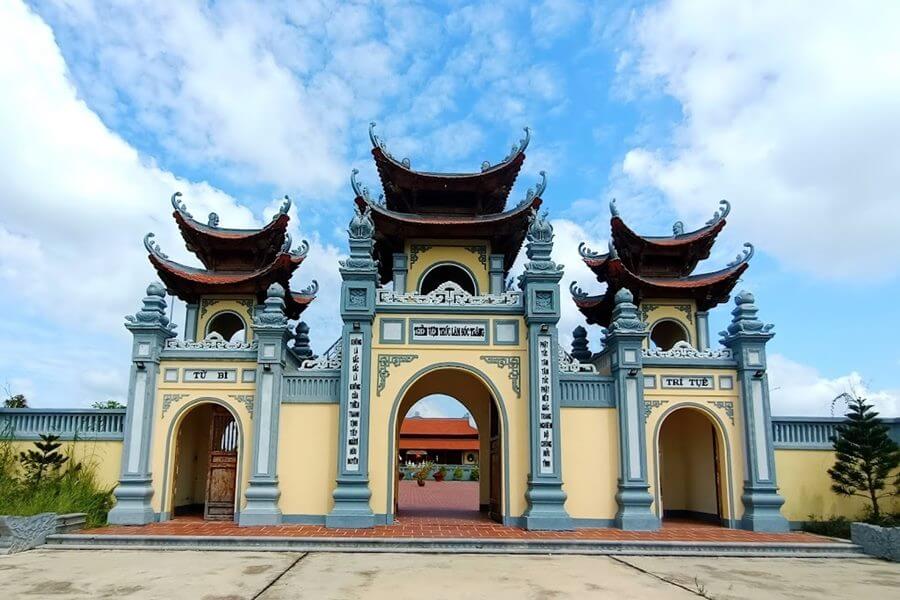
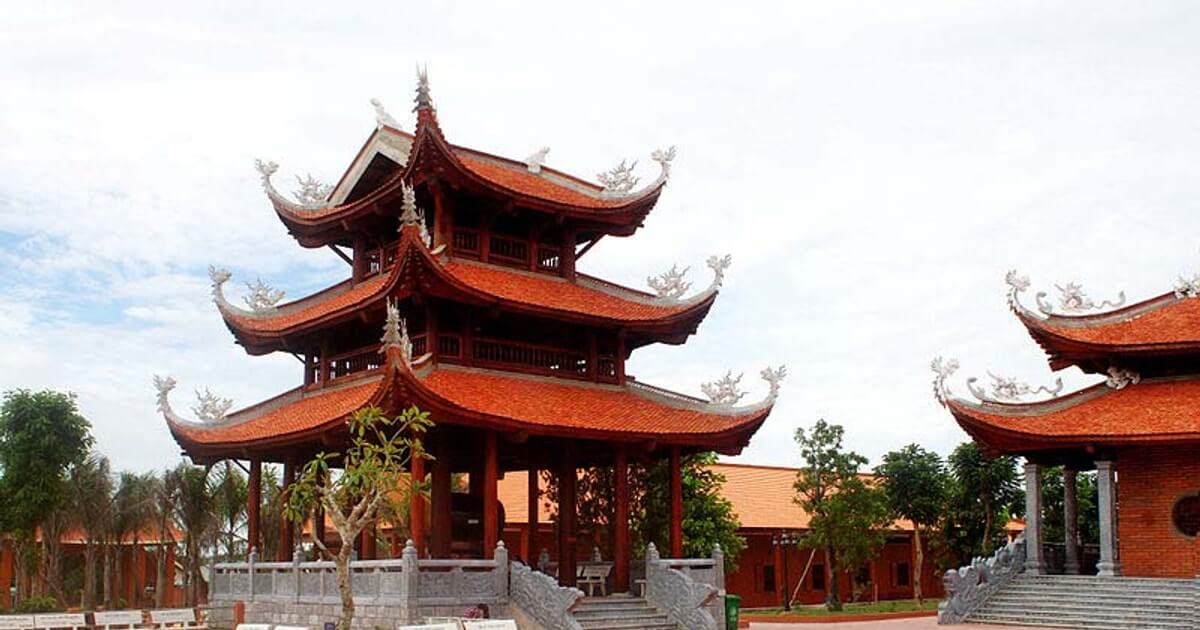
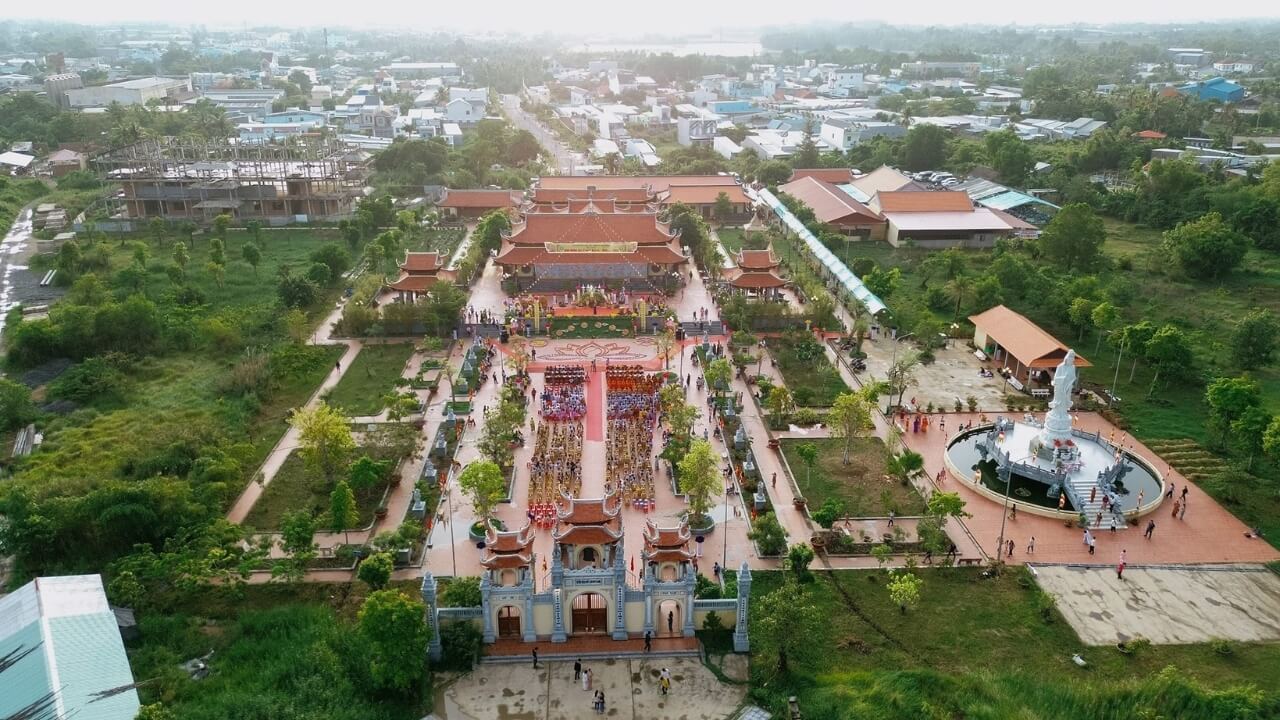
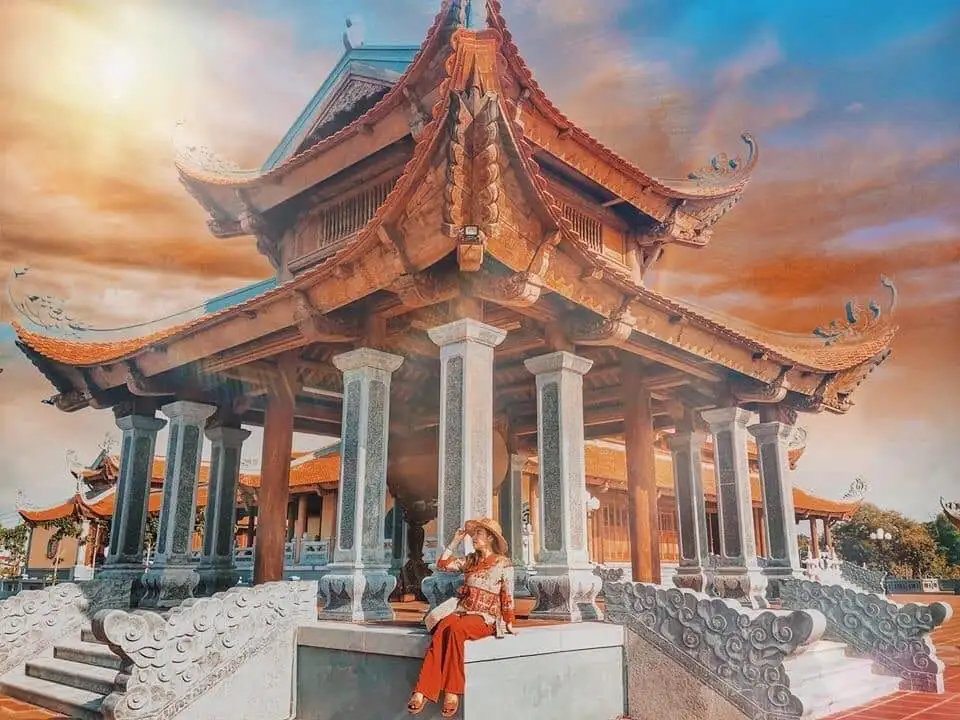
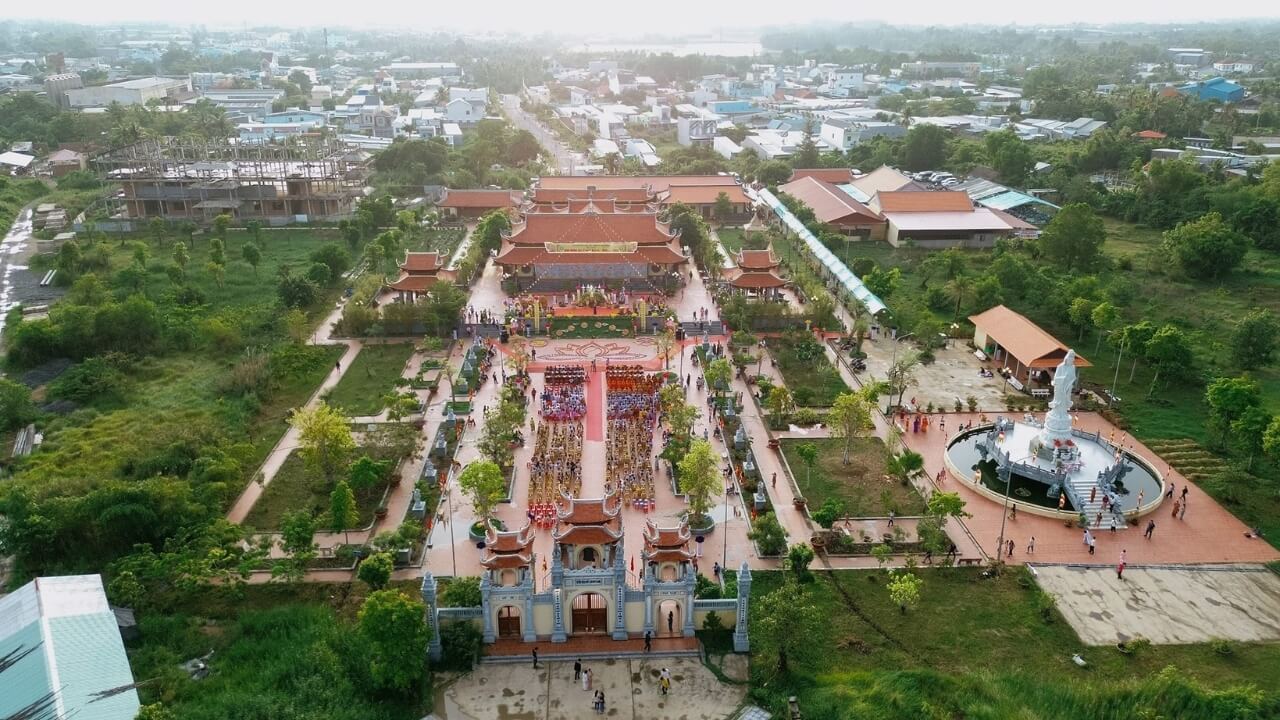
Truc Lam Soc Trang Zen Monastery is one of the major Buddhist works in Soc Trang province and gradually becomes an indispensable destination when tourists visit this province. The monastery was started construction on July 24, 2017 and inaugurated and put into use on January 5, 2020, located at hamlet 5, Ward 2, Soc Trang City with a total area built near 6ha, with items: main hall, entrance, Tam Quan gate, drum floor, bell floor, stupa, Tam Bao, ancestral house, hall ... with a total investment of the project is over VND 100 billion benefactors, Buddhists contribute. Visiting Truc Lam Zen Monastery, we seem to find the tranquility, away from the noisy life in the urban area - the quiet space, the long bell reminds the quiet soul, understanding the simplest philosophy of life from The Buddha was extremely profound. Step into the high tam gate, built in the curved attic with a red tile head, very eye -catching at first sight, exuding a majestic, modern but very traditional image. Inside is a spacious bright red brick yard that leads to the main hall, visitors will see 2 rows of statues of arhats made of marble parallel. On the right of the main yard is the soaring curved roof tower simulated after the architectural style of the bell tower, inside the common pink (copper bell) weighs 1.5 tons. On the left of the yard is an empty tower with an elaborate, sophisticated and highly artistic wooden price. Part of the main hall roofed eight roof tiles in the style of the Tran dynasty. Electricity of four -roofed roof tiles in the Ly dynasty style. The temple roof is a typical form of architectural simulation of agricultural life of Vietnamese people. The roof of the temple curved the bow of the boat corded with the waves, from the above high, narrowed, the bottom spread to create a solid position also known as "Thuong Thu Ha challenge". The monastery is a large project that consists of many many sub -works, goes a round of observation from the outside to the inside, the first highlight is the main hall in the central position, the next is the bell tower, the drum tower, the posterior Electricity, ... all exudes a main color nuance of reddish brown tile color with large wooden pillars and the foundation is made of very solid stone. Every month on the first day, the full moon day of the local people buying offerings to respect the Buddha to pray for peace, health and favorable business. In particular, many people come here mainly to experience the pure and peaceful space at the Buddha's door. In addition, on the first day, the full moon of the Monastery also offers a charity vegetarian rice from 700 to 800 and the full moon in January, April, July, November of the Monastery also holds a free vegetarian Butfer party Fee for Buddhists near and far. In addition, the monastery is starting to build the Buddha statue of Quan Am, weighing 75 tons, the total cost of building the statue is about 2.2 billion from the source of mobilization of the commune from Buddhists, sponsors, expected statues The sound will be inaugurated on the full moon of the November lunar calendar to promptly serve the local Buddhists and visitors from near and far on the occasion of the New Year of the New Year 2021. The destination for spiritual cultural activities, worshiping Buddha. Come to Truc Lam Soc Trang Zen Monastery, visitors will enjoy the fresh air, harmonize with the faint smell of frankincense, dispel the tiredness, create the motivation to continue the current and future life rhythm. ./.
Can Tho
From January to December
3028 view

Na Hang tourist area
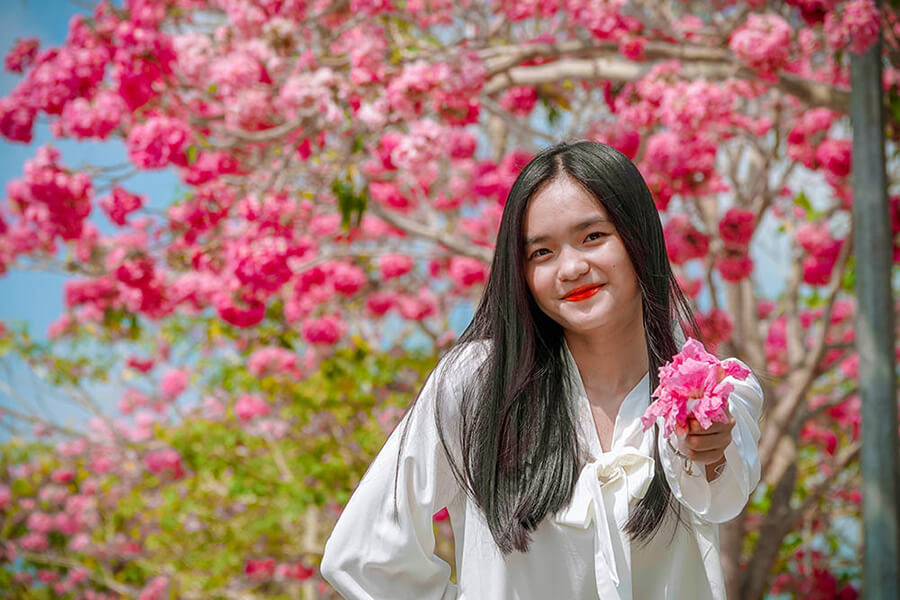
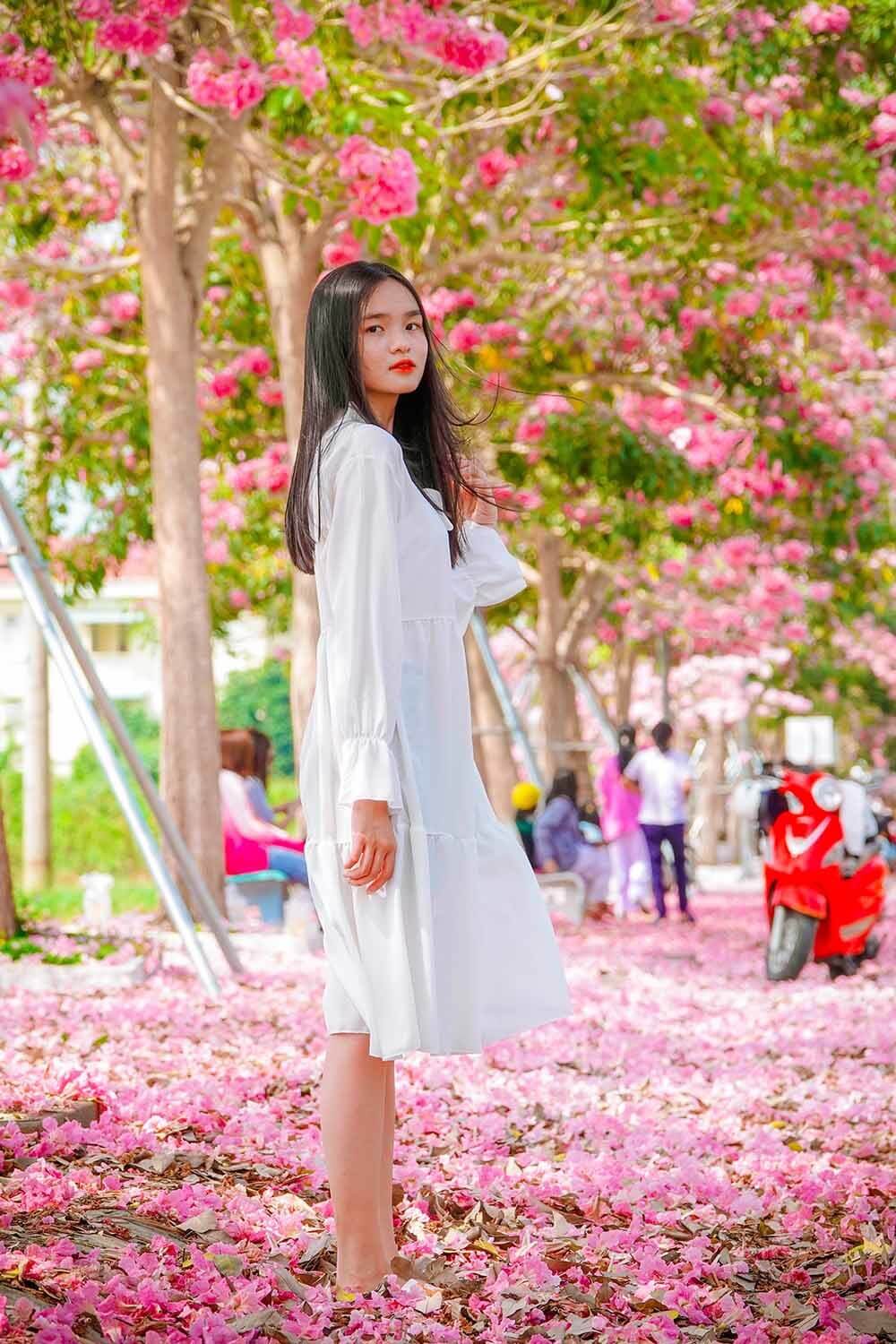
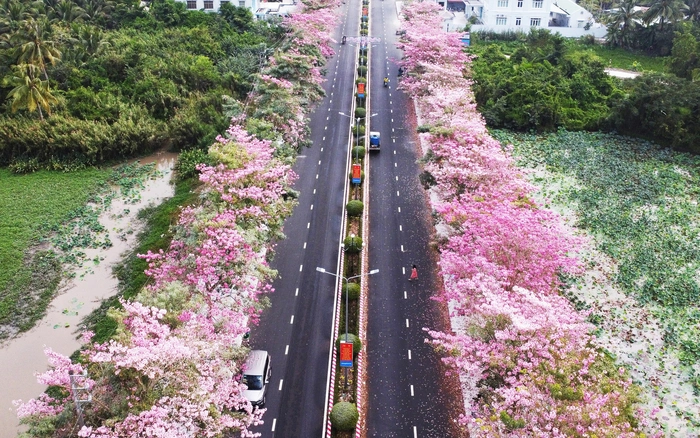
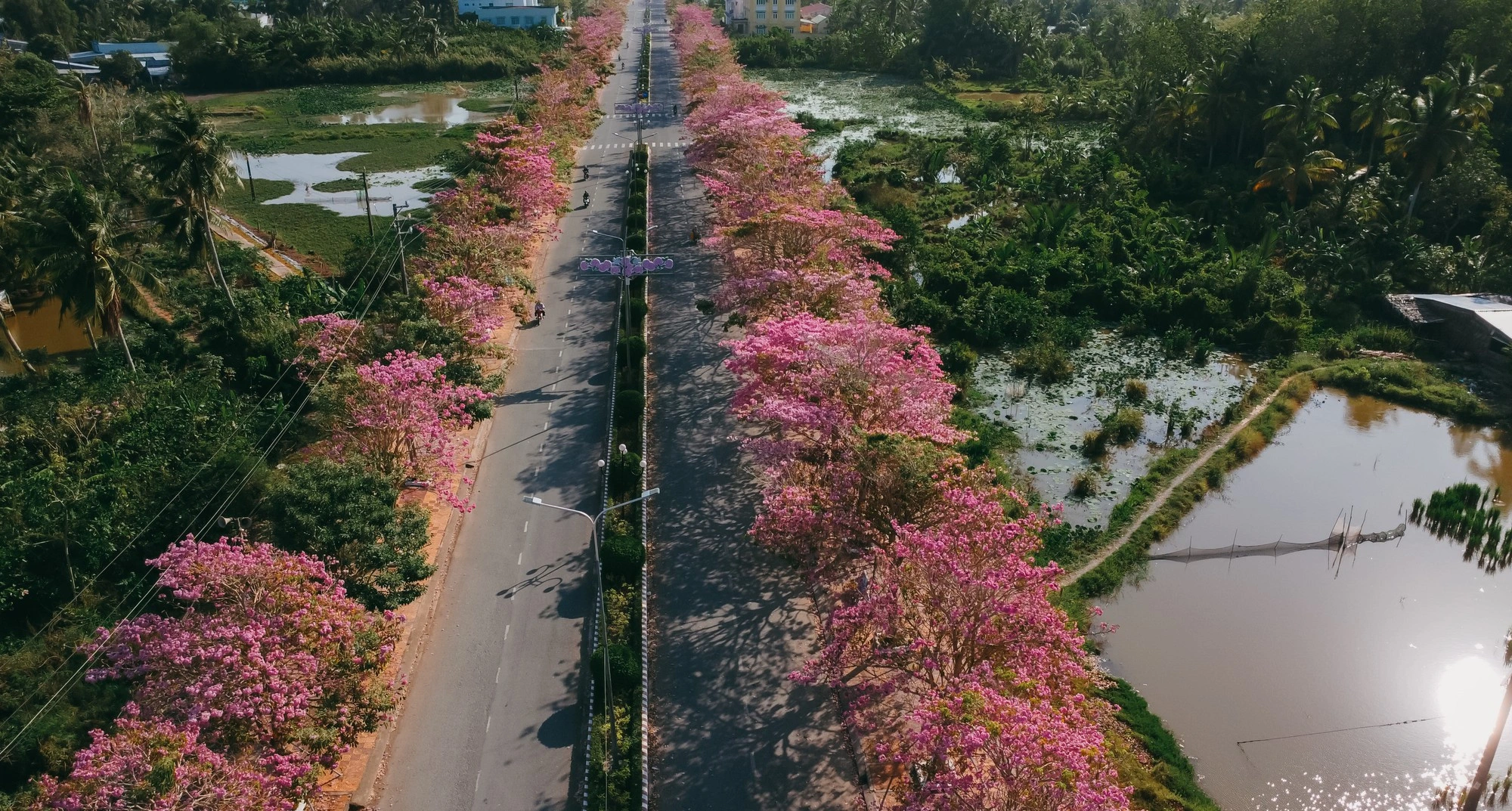
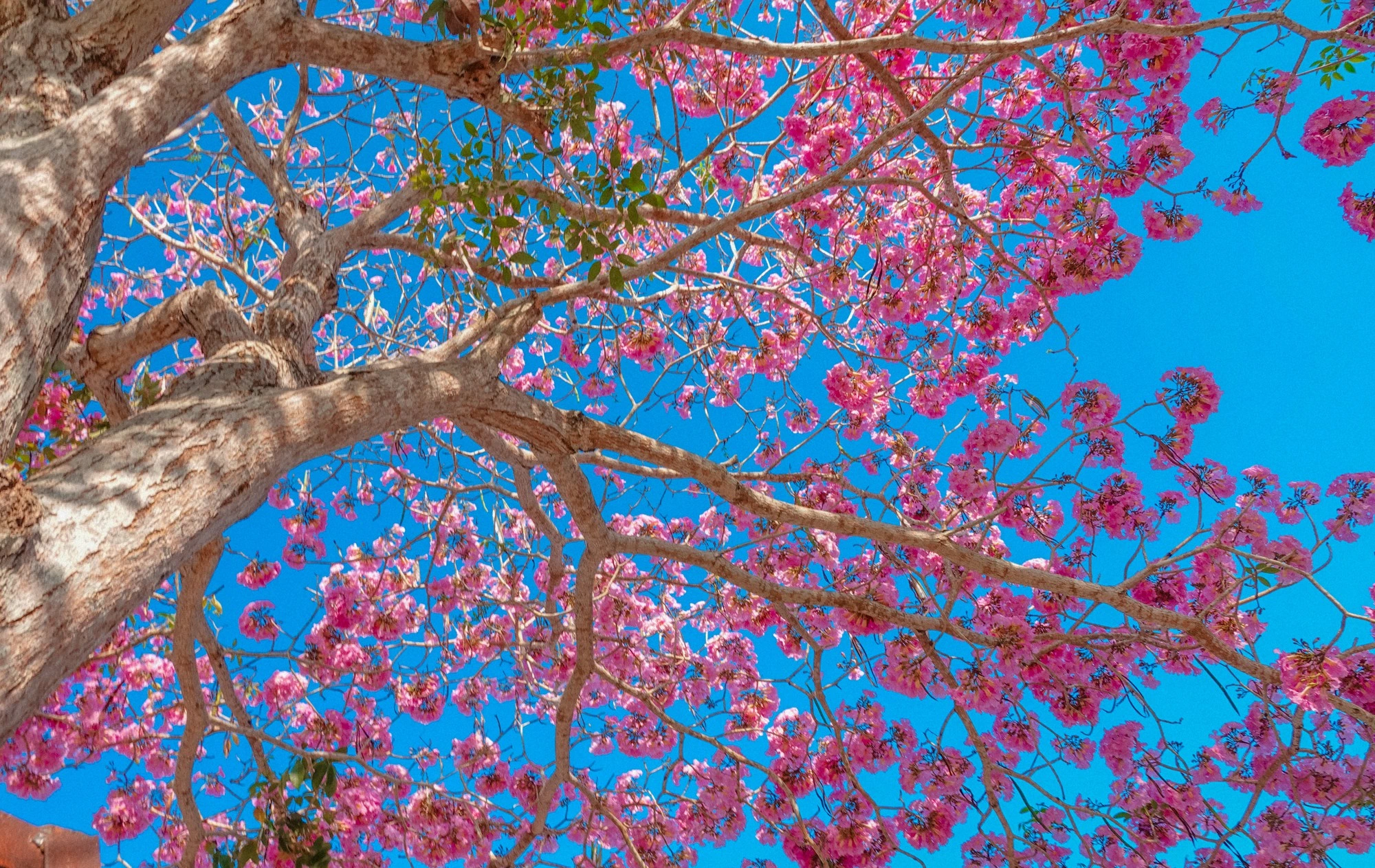
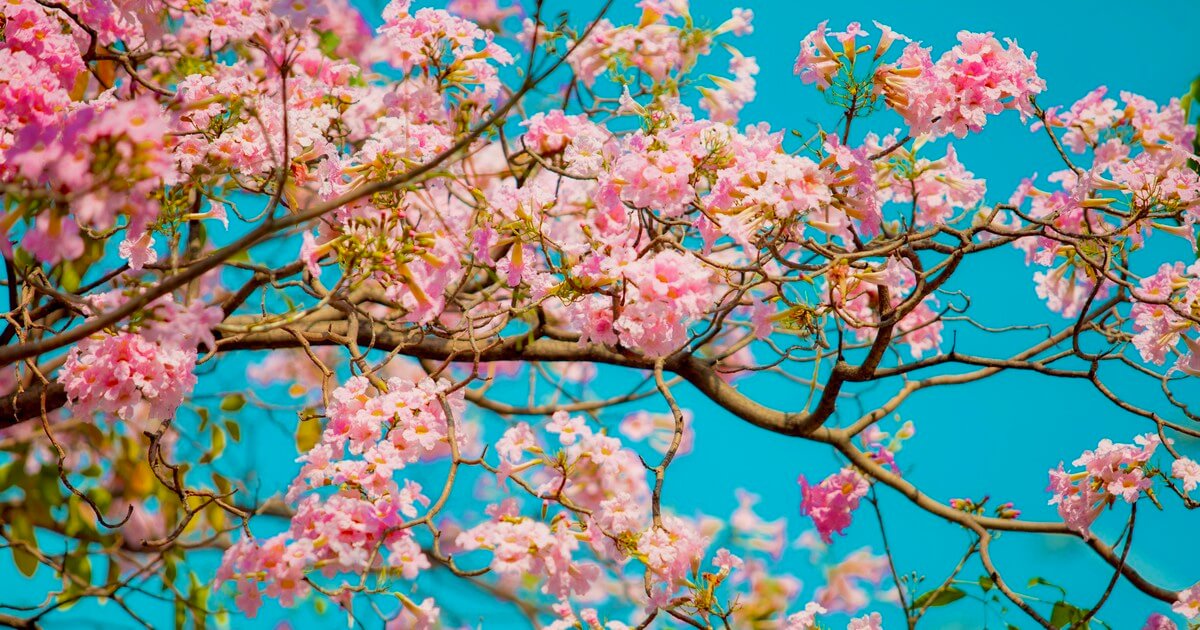
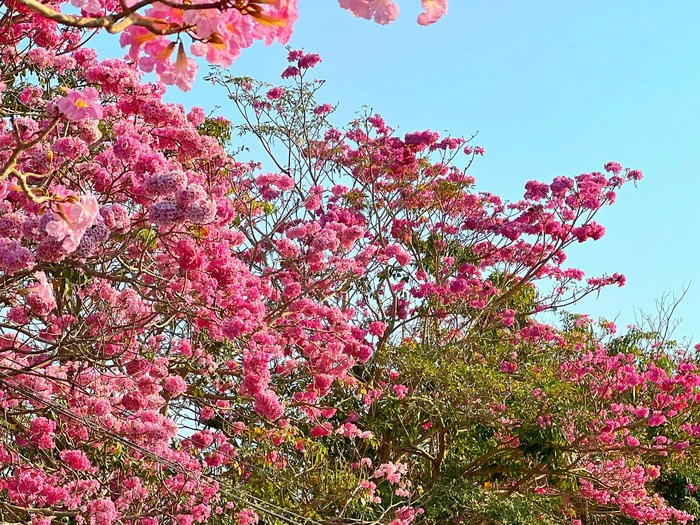
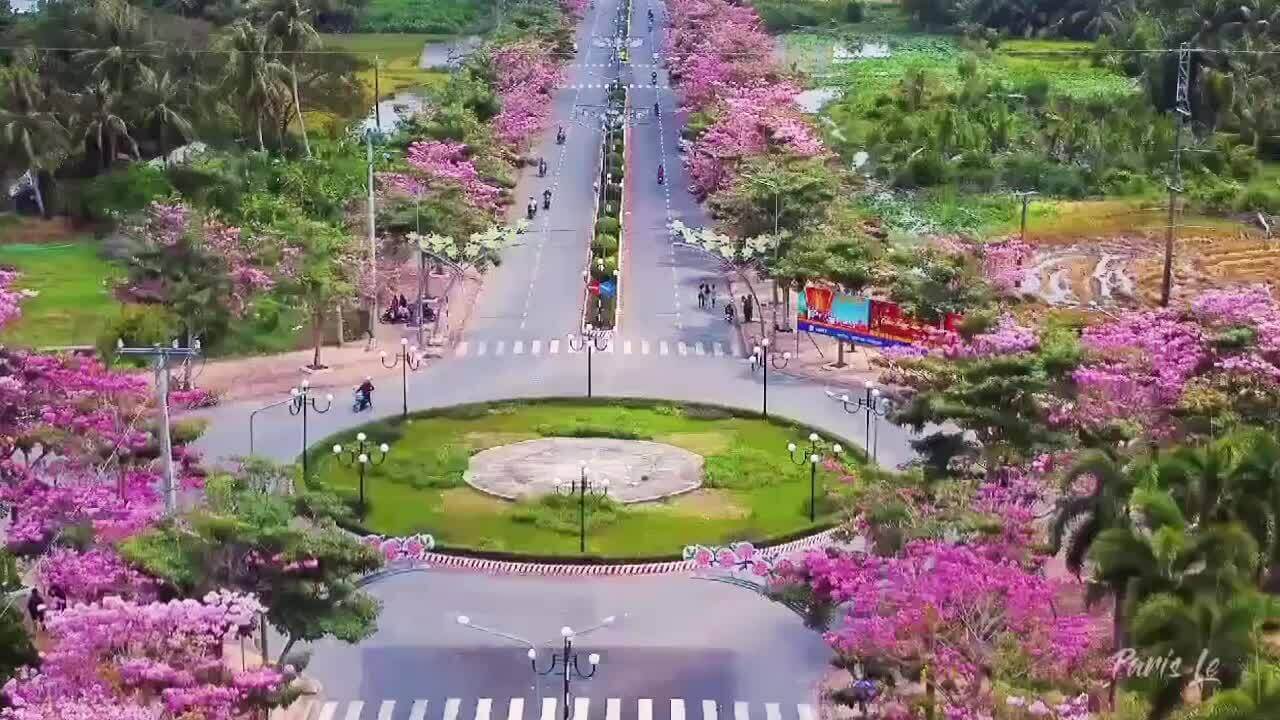
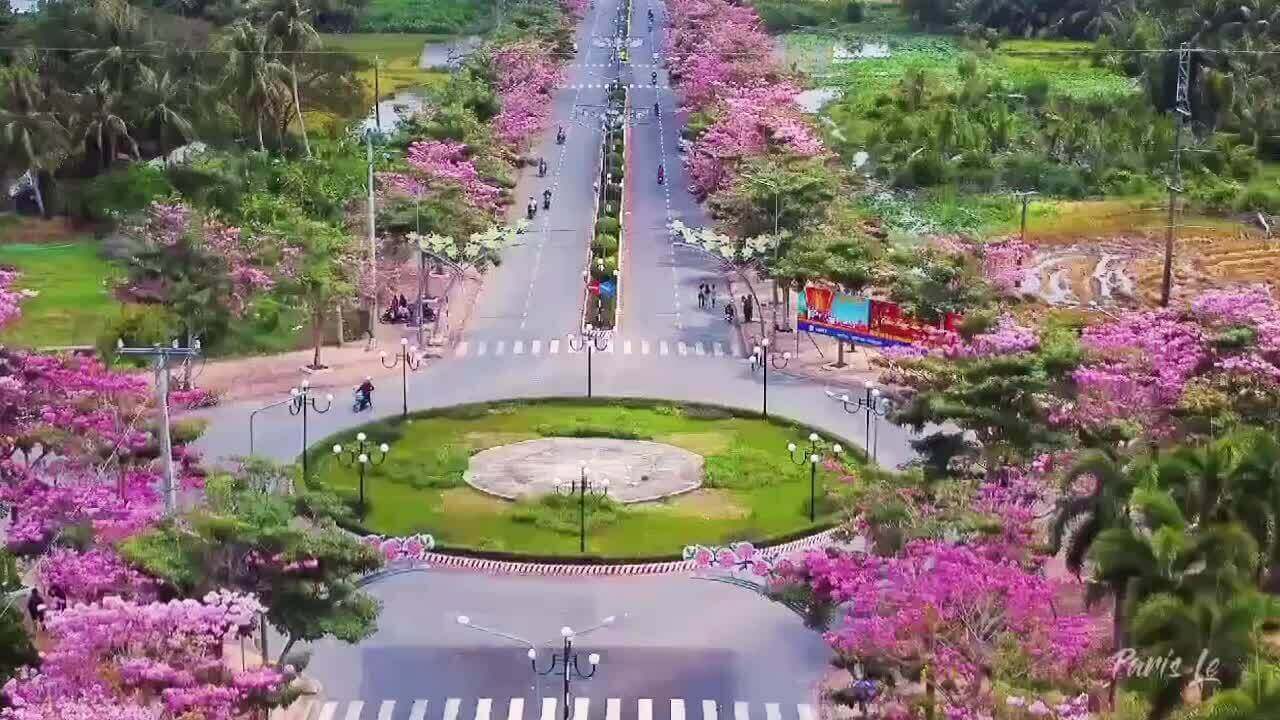
The pink flower road in Soc Trang is actually Hung Vuong street located in Chau Thanh district. The reason this place has such a name is because throughout the road has 160 pink trumpet stumps, grown in 2 straight rows on the sidewalk. For a long time, the pink trumpet road has become one of the most beautiful landscapes of the province, attracting countless local young people to visit, reward flowers and take photos. Not only that, many visitors also chose Soc Trang pink horns as an ideal stop on their Western tour, next to Nga Nam floating market or the famous Beach Beach. Because the blooming season is around April to June of the year, if you want to see the unique beauty here, you should arrange the schedule at this time. According to the experience of exploring Soc Trang, early in the morning around 7:00 - 8:00 is the most bright and radiant pink flower road, so you should visit this time to get extreme photos Sparkling. Soc Trang pink flower road has been known by netizens since 2019 when the flower season here first blooms. This flower road stretches for about 1km, connecting National Highway 1A to the administrative center of Chau Thanh district. According to many young people, only when coming to Soc Trang and witnessing the pink trumpet can feel the beauty of this place. Under the soft sunlight of the March days, the pink trumpet road of Soc Trang is like a smooth and seductive range of visitors. In the blooming flowers, the whole road covered with pink, lovely and extremely romantic, making anyone stop and passionately look. It is no exaggeration to compare here as a romantic "Korean road" in the heart of Soc Trang and it is not too surprising when it becomes a great coordinates of photographers and fans who love "virtual life. ". Not only local people, many young people from all over the Western provinces or even in further places also come here to "hunt" shimmering photos. With such an impressive beauty, Soc Trang pink flower road is also chosen as a place to film, take a scene and also the perfect backdrop for the wedding photos to life of couples. Soc Trang Hong has adorned this land a fresh, radiant and vibrant beauty, worthy of the ideal check-in coordinates in the travel guide. If you have the opportunity to return to Soc Trang in the blooming season, do not miss the opportunity to admire the beautiful scenery here.
Can Tho
From March to June
3219 view